|


| Quantity: | |
|---|---|
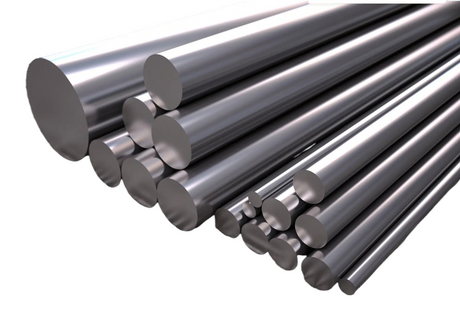
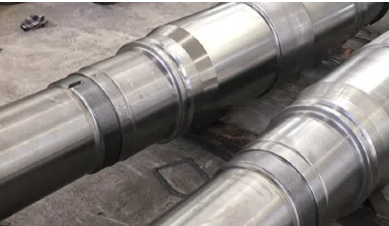
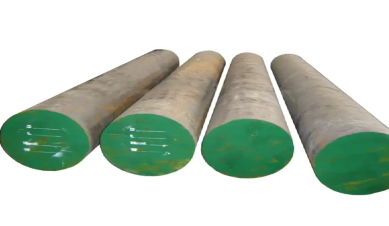
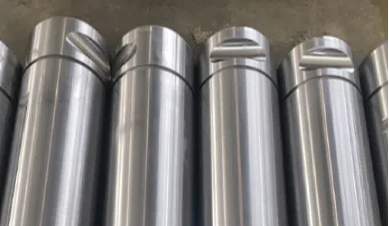
A Tie Rod (also called a Tie Bar; known as a Hanger Rod when vertical) is a slender, forged structural member designed to carry tensile loads and prevent the separation of two components. Crafted from high-quality forged round bars, it is engineered for stability, strength, and durability—serving critical roles in industrial machinery, automotive systems, and heavy-duty equipment.
Our Forged Tie Rods stand out for their precision manufacturing: forged round bar raw material ensures uniform strength, while quenching and tempering heat treatment enhances toughness and wear resistance. The integrated buttress thread design delivers efficient unidirectional load transmission, making them ideal for high-stress applications. Unlike ordinary rods, they offer versatility—some variants (e.g., automotive) operate in both tension and compression.
Item | Specification |
Material | Forged Round Bar (Alloy Steel, Carbon Steel, Customizable Grades) |
Size Range | Maximum Diameter: 500mm; Maximum Length: 15 Meters |
Thread Type | Buttress Thread (Asymmetric Tooth Design) |
Heat Treatment | Quenching and Tempering (Q&T) |
Load Capacity | Tensile Loads (Dual Tension/Compression for Automotive Applications) |
Surface Finish | Black Surface, Turned Surface |
Application Compatibility | Hydraulic Press, Automobile Steering, Steam Locomotive, Heavy-Duty Machinery |
Brand | ETERNAL |
Forged Round Bar Construction: Ensures high structural density, resistance to deformation, and long service life—outperforming cast or machined rods.
Quenching & Tempering Heat Treatment: Enhances tensile strength, hardness, and toughness, making the Tie Rod durable in high-stress environments.
Buttress Thread Design: Asymmetric teeth convert axial forces into efficient unidirectional load transmission and locking—ideal for heavy-duty applications.
Dual Load Capability: Automotive variants operate in both tension and compression, while industrial models excel in tensile load-bearing.
Wide Size Range: Up to 500mm diameter and 15 meters length—customizable to fit small machinery and large industrial equipment.
Precision Machining: Tight dimensional tolerances ensure perfect fit with mating components, reducing installation issues.
Corrosion & Wear Resistance: Optional surface treatments (e.g., galvanization) and high-quality materials resist harsh industrial conditions.
Multi-Scenario Adaptability: Suitable for hydraulic presses, automobiles, steam locomotives, and structural applications—versatile across industries.
Serves as the Hydraulic Press Tie Rod (stress column), guiding the slider’s vertical movement. It withstands extreme tensile forces during press operation, ensuring stability and precision in metal forming and assembly processes.
A critical part of the steering mechanism—Automobile Tie Rods transmit steering force from the rack to the wheels, enabling precise control. Unlike standard tie rods, they push and pull (both tension and compression) for responsive handling.
Connects multiple driving wheels to transmit power from the connecting rod. The Steam Locomotive Tie Rod ensures synchronized wheel rotation, delivering consistent traction for heavy locomotives.
Used as Structural Tie Rods in buildings, bridges, and heavy machinery to prevent component separation. Vertical variants (Hanger Rods) support overhead structures, while horizontal rods stabilize frameworks in industrial plants.
They are essentially the same—“tie rod” is the common term in automotive and industrial contexts, while “tie bar” is often used in structural engineering. Vertical installations are called Hanger Rods.
Our Tie Rods offer a maximum diameter of 500mm and a maximum length of 15 meters. We can customize sizes to match your specific equipment requirements.
Buttress thread is designed for unidirectional high loads—its asymmetric tooth profile reduces friction, enhances load-bearing capacity, and prevents loosening under constant stress, outperforming standard threads in heavy-duty applications.
Most Tie Rods are designed for tensile loads, but automotive variants are engineered to operate in both tension and compression, supporting the steering mechanism’s push-pull functionality.
Quenching hardens the material to increase strength and wear resistance, while tempering reduces brittleness and enhances toughness—resulting in a balanced, durable component that resists fatigue under repeated loads.
Yes. We offer customizable materials, including alloy steel, carbon steel, and high-strength steel, tailored to your application’s load, temperature, and corrosion requirements.