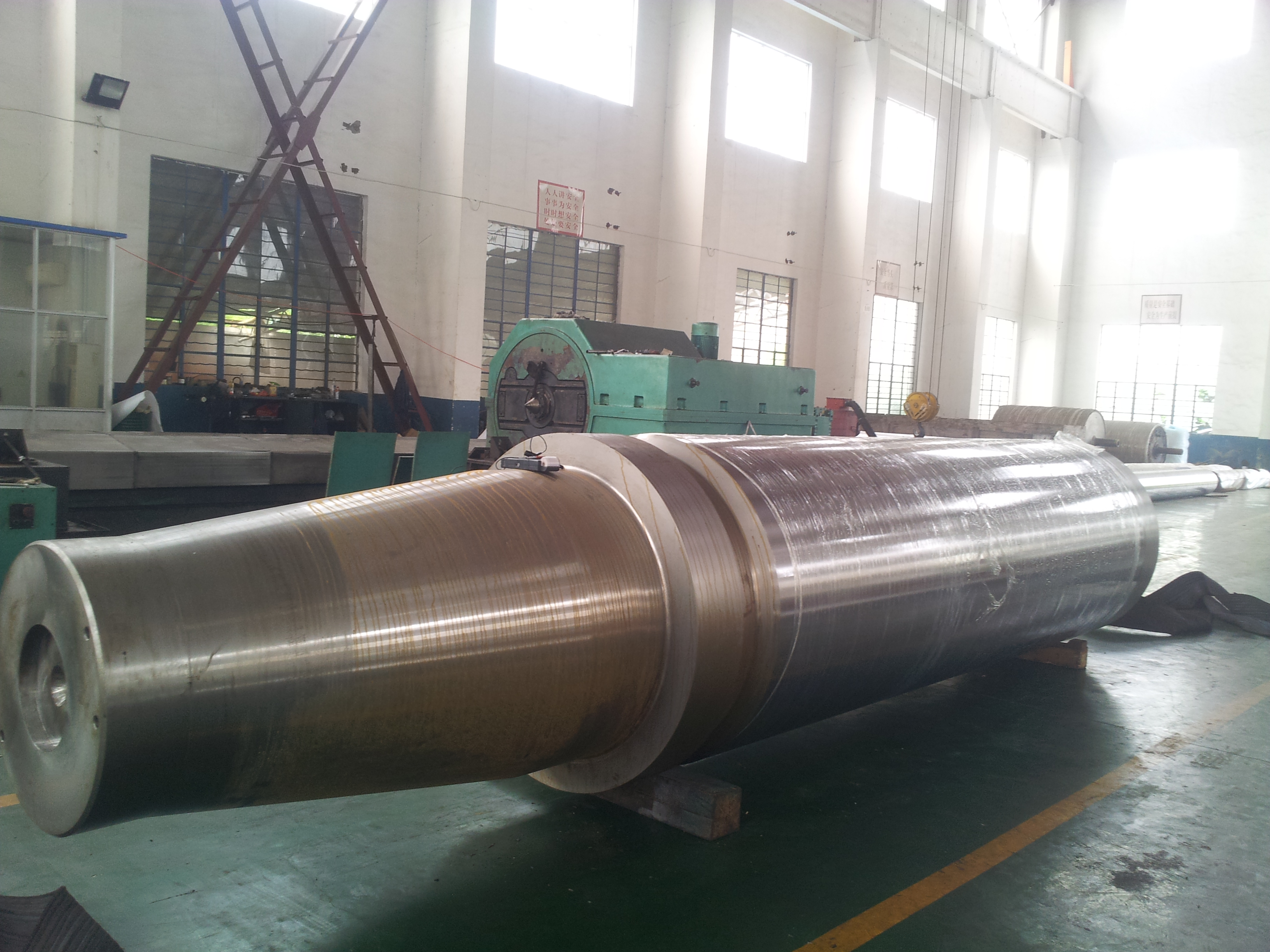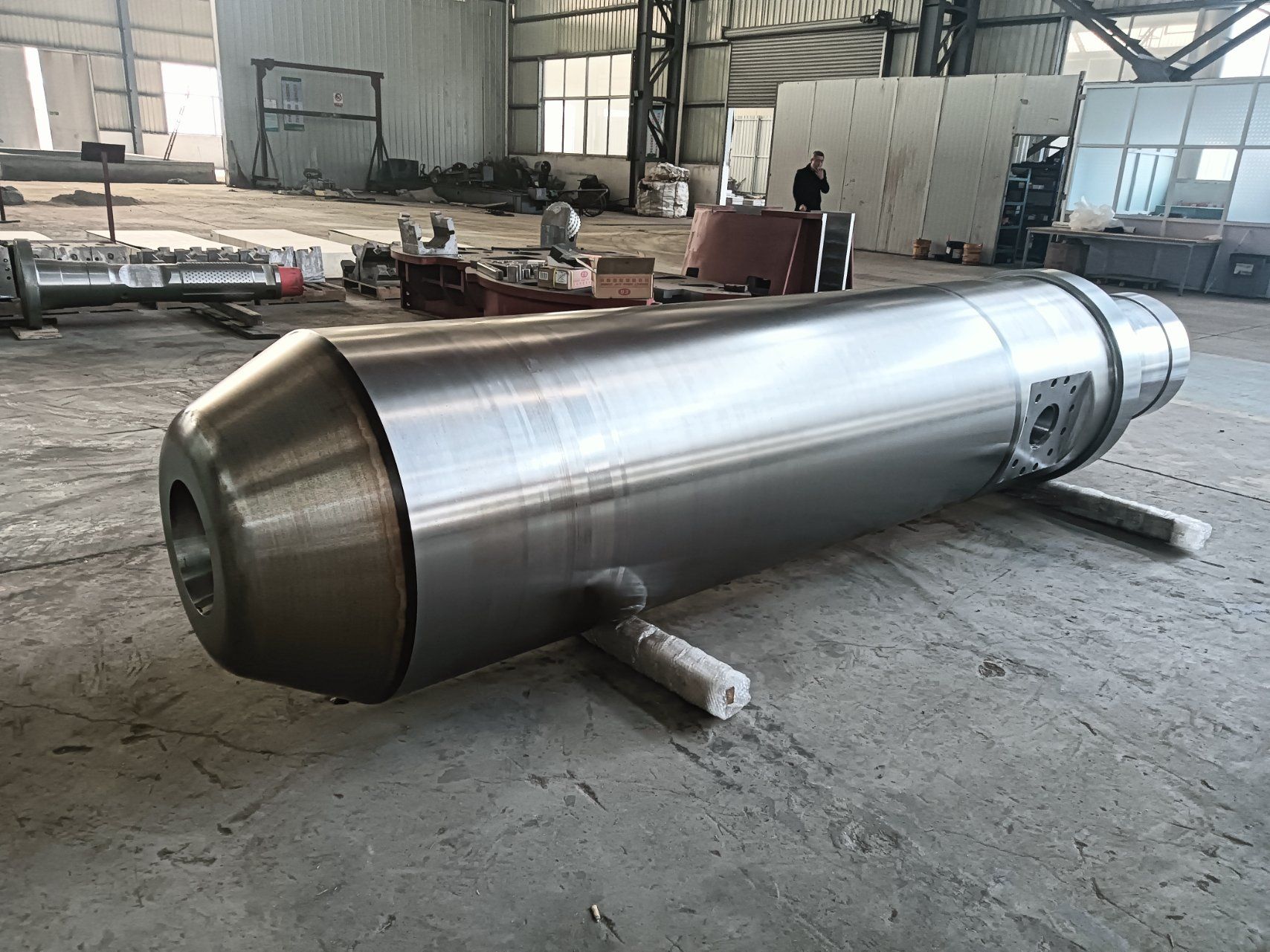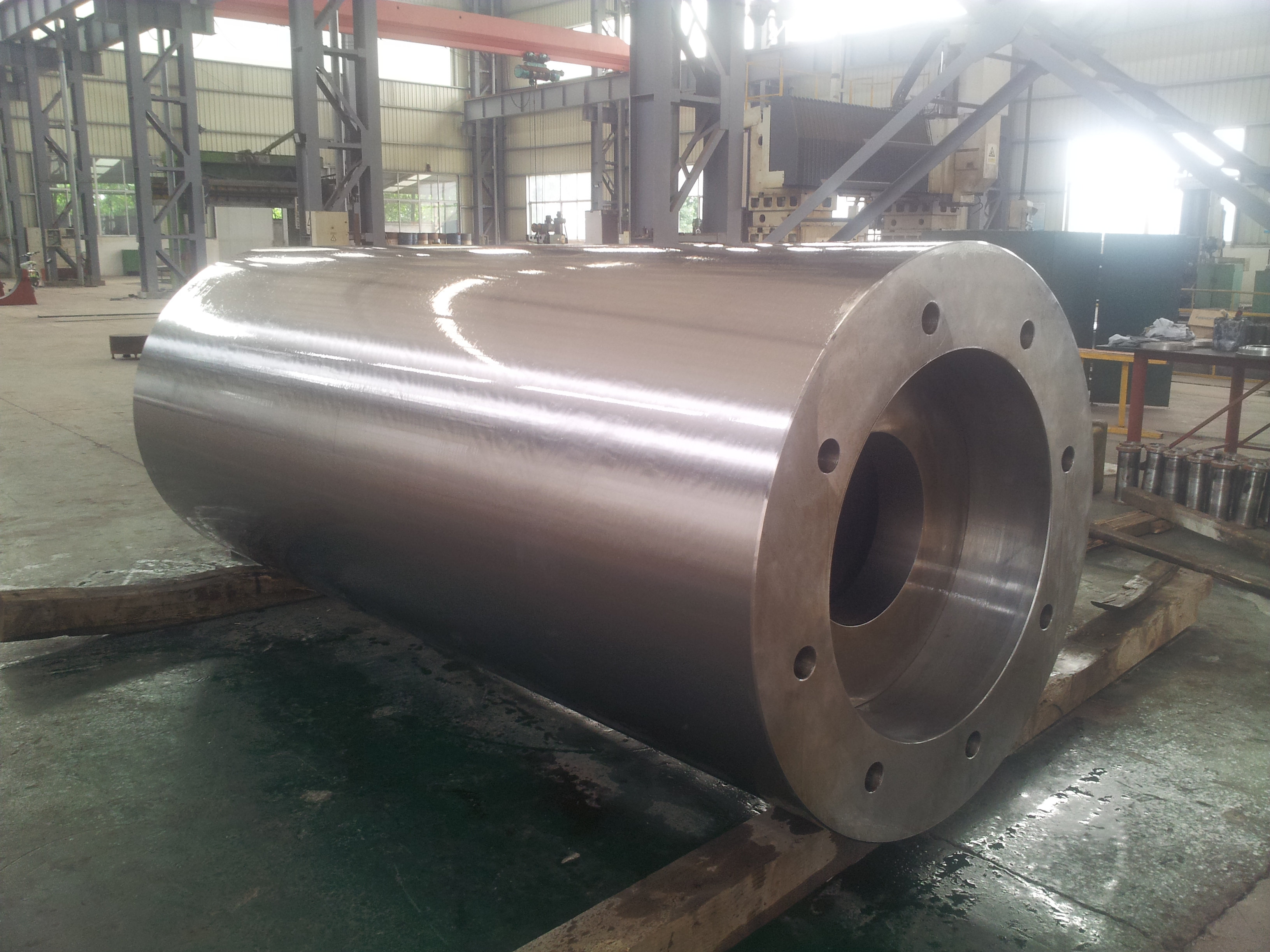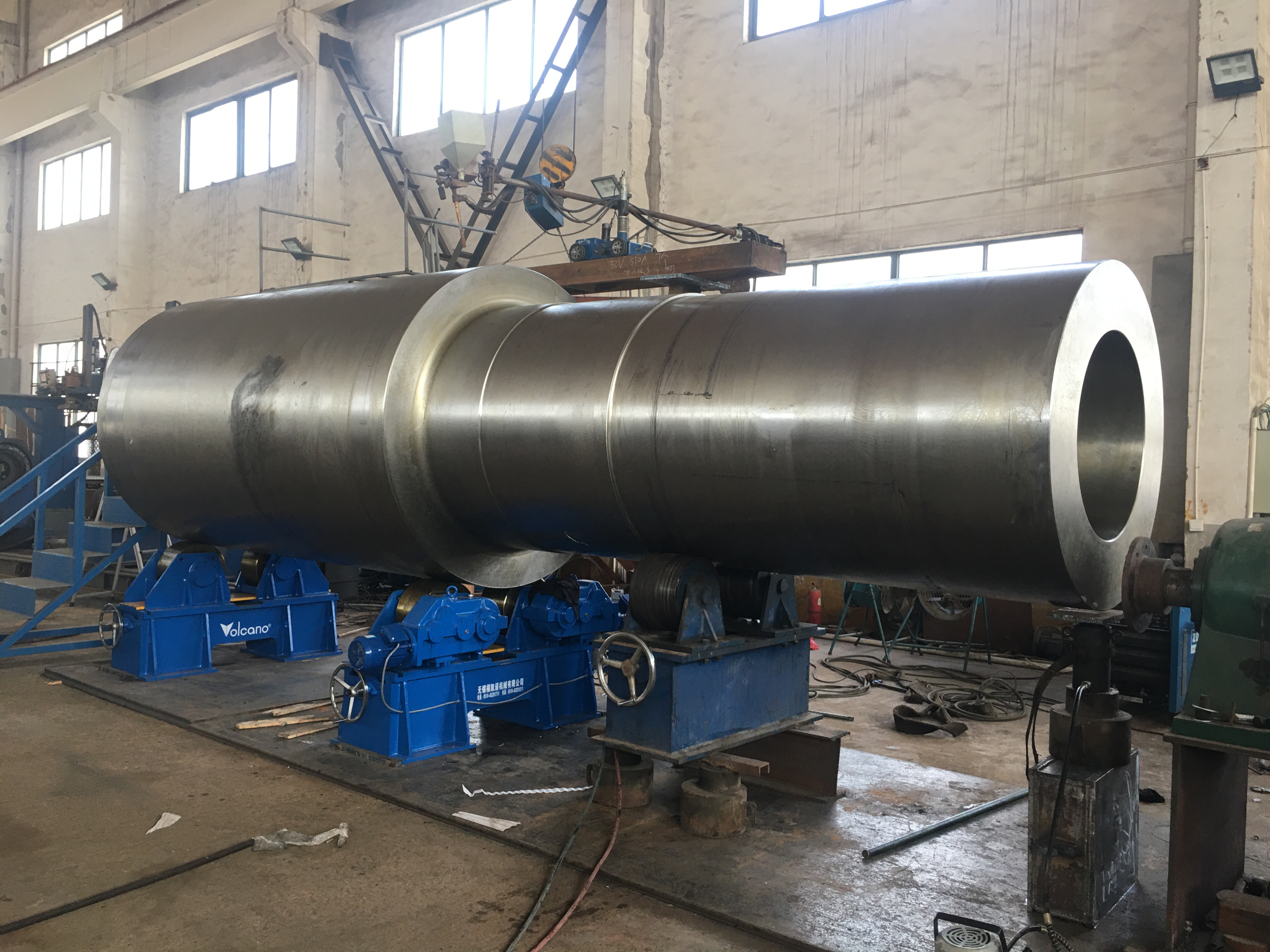

Petrochemical forgings with dense grain structure, high strength and excellent resistance to high pressure, creep and corrosion are widely adopted for reactors, heat exchangers, towers, subsea drilling & production equipment and transmission parts. This article introduces typical forging materials including 15CrMoR, P91/P92, 316L, 2205, 2507 super duplex steel and nickel & titanium alloys, compares the performance differences between forgings and castings, and clarifies material selection principles for 316L vs 2205, the advantages of 2507 for deep-sea service, and the necessity of quenching & tempering for 42CrMo/35CrMo transmission forgings.

Prevent costly failures with data-driven raise boring roller cutter replacement. Learn to spot wear, evaluate rebuilds, and maximize drilling ROI.

Prevent catastrophic shaft failures. Master raise boring drill pipe selection by evaluating 4330V metallurgy, thread geometry, and manufacturers.