|


| Quantity: | |
|---|---|
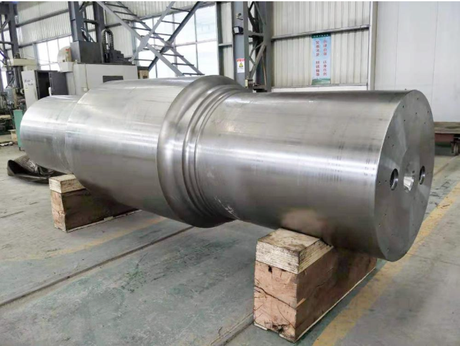
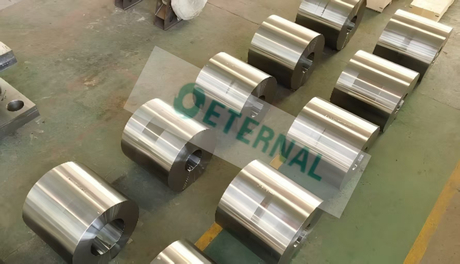
FORGE-BUSH
ETERNAL
Cr12MoV is a high-carbon, high-chromium cold work die steel, belonging to the ledeburite steel category. It features high hardness, high wear resistance, good hardenability, and dimensional stability, and is widely used in various cold processing molds and related wear-resistant components.
Core basic performance
In the alloy composition of Cr12MoV, Cr (about 12%) primarily forms wear-resistant carbides (Cr₇C₃), while Mo and V refine the grain size, enhance hardenability and tempering stability, and simultaneously improve toughness.
After quenching, the hardness can reach 60~64 HRC
Its wear resistance is far superior to that of general carbon tool steel and low alloy tool steel
With good hardenability, large-section molds can be fully hardened as a whole
After deep cryogenic treatment or low-temperature tempering, it exhibits excellent dimensional stability
Cr12MoV Chemical Composition
| C | Si | Mn | Cr | Mo | V | P/S |
| 1.45%~1.7% | ≤0.4% | ≤0.4% | 11%~13% | 0.4%~0.6% | 0.15%-0.3% | ≤0.03% |
Cr12MoV Mechanical Property
The mechanical properties of Cr12MoV are primarily categorized into two types: low-temperature tempering (pursuing high hardness and high wear resistance) and high-temperature tempering (balancing toughness and wear resistance). The specific indicators are as follows:
1. Low-temperature tempering state (common operating condition)
Quenching temperature: 1020~1050℃, oil cooling / air cooling
Tempering temperature: 150~200℃
Hardness: 60~64 HRC (core performance, determining wear resistance)
Bending strength: approximately 2400~2600 MPa
Impact toughness (unnotched): approximately 20~30 J/cm²
Compressive strength: approximately 2800~3000 MPa
Elastic modulus: approximately 210 GPa
2. High-temperature tempering state (when toughness needs to be improved)
Quenching temperature: 1020~1050℃, oil cooling / air cooling
Tempering temperature: 480~520℃ (secondary hardening range)
Hardness: 58~60 HRC (slight decrease in hardness, significant improvement in toughness)
Bending strength: approximately 2000~2200 MPa
Impact toughness (unnotched): approximately 40~60 J/cm²
Compressive strength: approximately 2500~2700 MPa
Bush Feature
High hardness and wear resistance: After quenching, Cr12MoV steel can achieve a hardness of 60-64HRC. Its carbide content is over 20%, and the carbide hardness reaches 2000-2200HV. It exhibits excellent wear resistance and can effectively resist the frictional wear between the sleeve bushing and the surface of the shaft or other parts during operation, thereby extending its service life.
Excellent hardenability: This steel grade exhibits excellent hardenability. Workpieces with a thickness of ≤200mm can be fully hardened through air cooling, with a hardness difference between the core and surface of ≤2HRC. It is suitable for manufacturing large-sized sleeve bushes, ensuring consistency in overall performance.
Dimensional stability: After heat treatment, Cr12MoV steel has a low content of retained austenite (≤5%) and a small linear expansion coefficient, which is 10.5×10⁻⁶/℃ between 20-500℃. It can maintain good dimensional accuracy at different working temperatures.
Certain toughness: Through appropriate heat treatment processes, such as medium-temperature tempering after quenching, Cr12MoV can obtain a certain degree of toughness, enabling it to withstand certain impact loads and prevent brittle fracture of the sleeve bushing during operation.
Bush Application
Mechanical manufacturing: In general machinery, sleeves and bushings used to manufacture mechanical parts that bear high loads and high wear, such as gears, cams, transmission shafts, etc., can reduce wear between parts and improve the operational precision and stability of machinery.
Automotive industry: In components such as automotive engines, transmissions, and suspension systems, Cr12MoV sleeve bushes can be used for parts like piston pins, connecting rod bushes, and shock absorbers, ensuring the reliability and durability of automotive components.
Aerospace: In some core components of aircraft and spacecraft, such as landing gear systems, Cr12MoV sleeve bushes are also used to meet the requirements for high reliability, high precision, and wear resistance.
Mold industry: It can be used as a guide sleeve, ejector bushing, etc. in molds, helping mold parts move smoothly, reducing friction, and improving the service life and production efficiency of molds.
Powder metallurgy: In powder metallurgy molds, Cr12MoV sleeve bushes can be used for female molds, male molds, and other parts, withstanding high pressure and wear during the powder compaction process.
Forging: Forging can eliminate undesirable characteristics such as casting porosity generated during the smelting stage of Cr12MoV steel, improve its microstructure, make it denser, and enhance the material's load-bearing capacity and durability.

Heat treatment: including processes such as annealing, quenching, and tempering. Annealing is used to soften materials for ease of machining; quenching and tempering can adjust the hardness, toughness, and other properties of the sleeve bushing according to specific usage requirements.

Mechanical processing: After forging and heat treatment, Cr12MoV steel is processed into sleeve bushes of the required size and precision through mechanical processing techniques such as turning, boring, and grinding.

Die Steel Steel Grade
GB | JIS | ASTM | UNS | DIN | W-Nr. | ГOCT | SS |
9SiCr | 一 | 一 | 一 | 90CrSi5 | 1.2108 | 9XC | 2092 |
8MnSi | 一 | 一 | 一 | ~C75W | 1.1750 | 一 | 一 |
Cr06 | SKS8 | 一 | 一 | 140Cr3 | 1.2008 | X05 | 一 |
Cr2 | SUJ2 | L3 | T61203 | 102Cr6 | 1.2067 | X | 一 |
9Cr2 | 一 | 一 | 一 | 90Cr3 | 1.2056 | 9X1 | 一 |
W | ~SKS21 | F1 | T60601 | 120W4 | 1.2414 | B1 | 2705 |
4CrW2Si | ~SKS41 | 一 | 一 | 一 | 一 | 4XB2C | 一 |
5CrW2Si | 一 | S1 | T41901 | ~45WCrV7 | 1.2542 | 5XB2C | ~2710 |
6CrW2Si | 一 | 一 | 一 | ~60WCrV7 | 1.2550 | 6XB2C | 一 |
Cr12 | SKD1 | D3 | TR30403 | X210Cr12 | 1.2080 | X12 | 一 |
Cr12MoV | SKD11 | 一 | 一 | X165CrMoV12 | 1.2601 | X12M | 2310 |
GB | JIS | ASTM | UNS | DIN | W-Nr. | ГOCT | SS |
Cr12Mo1V1 | 一 | D2 | T30402 | X155CrVMo12-1 | 1.2379 | 一 | 一 |
Cr5Mo1V | SKD12 | A2 | T30102 | X100CrMoV5-1 | 1.2363 | 一 | 2260 |
9Mn2V | 一 | O2 | T31502 | 90MnCrV8 | 1.2842 | 一 | 一 |
CrWMn | SKS31 | 一 | 一 | 105WCr6 | 1.2419 | XBГ | 一 |
9CrWMn | SKS31 | O1 | T31501 | 100MnCrW4 | 1.2510 | 9XBГ | 2140 |
5CrMnMo | 一 | 一 | 一 | ~40CrMnMo7 | 1.2311 | 5XГM | |
5CrNiMo | SKT4 | L6 | T61206 | 55NiCrMoV6 | 1.2713 | 5XHM | ~2550 |
3Cr2W8V | SKD5 | H21 | T20821 | X30WCrV9-3 | 1.2581 | 3X2B8φ | 2730 |
8Cr3 | 一 | 一 | 一 | 一 | 一 | 8X3 | 一 |
4Cr3Mo3SiV | 一 | H10 | T20810 | ~X32CrMoV3-3 | 1.2365 | 3X3M3φ | 一 |
4Cr5MoSiV | SKD6 | H11 | T20811 | X38CrMoV5-1 | 1.2343 | 4X5MφC | 一 |
4Cr5MoSiV1 | SKD61 | H13 | T20813 | X40CrMoV5-1 | 1.2344 | 4X5Mφ1C | 一 |