|


| Quantity: | |
|---|---|
FORGE-BUSH
ETERNAL
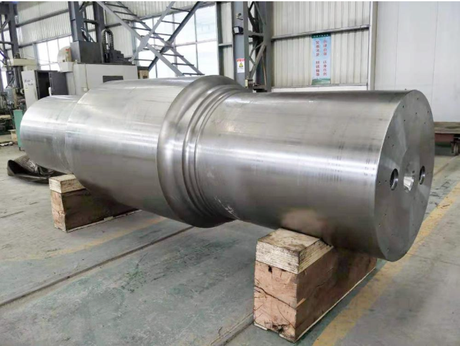
Cr12 is a high carbon and high chromium cold work die steel with wear resistance, high hardness, good hardenability, and small heat treatment deformation. However, it has poor toughness and high brittleness, and is mainly used for cold work dies with light impact, high precision, and high wear resistance.
Steel Grade
| GB | JIS | ASTM | UNS | DIN | W-Nr. | ГOCT |
| Cr12 | SKD1 | D3 | TR30403 | X210Cr12 | 1.2080 | X12 |
Cr12 Chemical Composition
| C | Si | Mn | Cr | V | P/S |
| 2%~2.3% | ≤0.4% | ≤0.4% | 11.2%~13% | 0.15%-0.5% | ≤0.03% |
Cr12 Heat Treatment
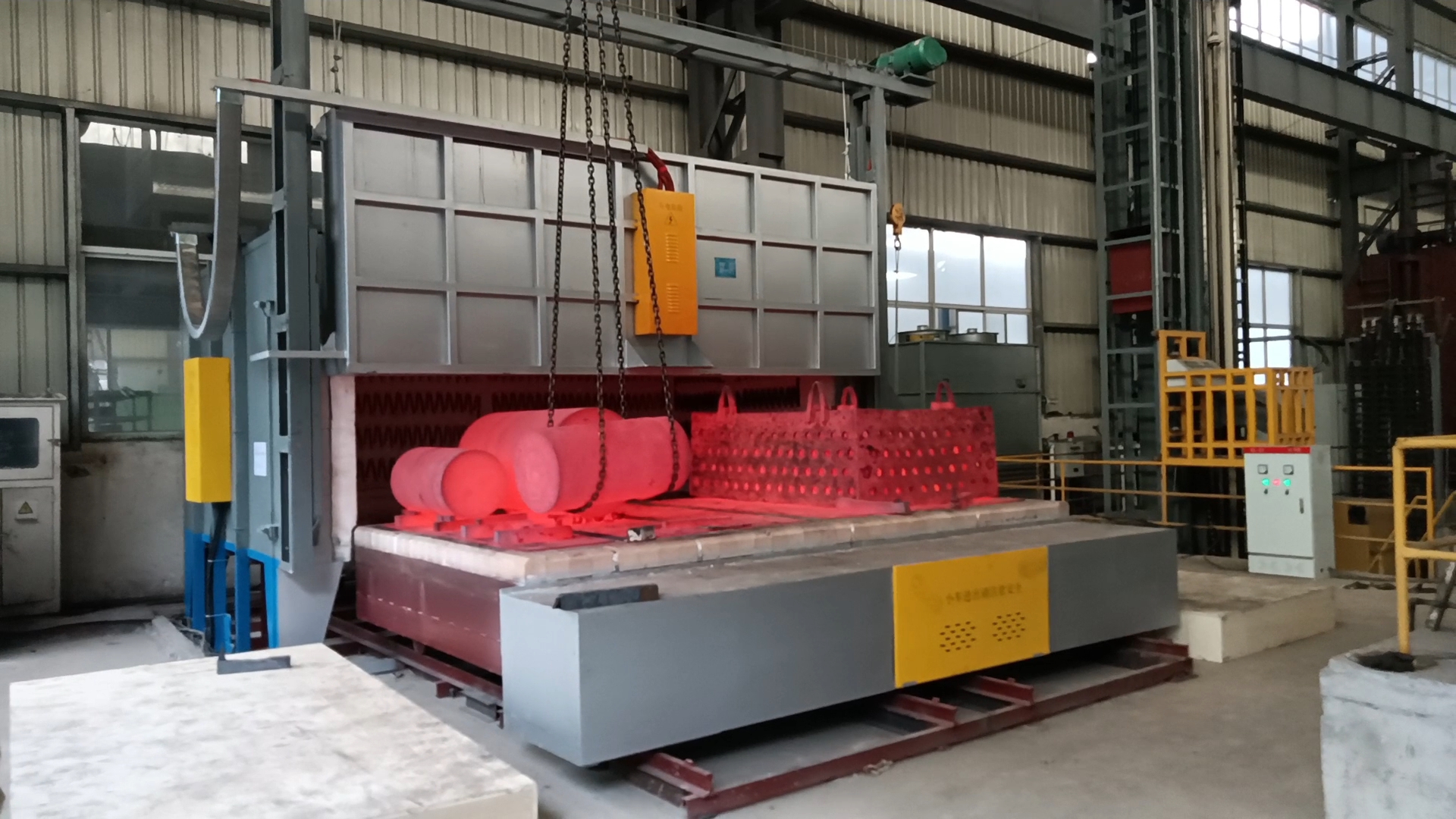
Annealing: spheroidization annealing at 850-870 ℃, slow cooling to below 500 ℃; Hardness 217-269HB, easy to cut.
Quenching: 950-1000 ℃ oil cooling; Quenching hardness ≥ 58HRC (commonly used HRC 60-64).
Tempering (mandatory, stress relief+toughness enhancement):
Low temperature tempering (180-220 ℃): HRC 60-62, with average toughness and the strongest wear resistance.
Medium temperature tempering (320-350 ℃): HRC 55-58, significantly improved toughness, suitable for light impact conditions.
Secondary tempering (around 550 ℃): stabilizes the structure and eliminates residual austenite.
Features: Strong hardenability, even large sections can be uniformly hardened; Heat treatment has minimal deformation and is known as' invariant steel '.
Feature
Extremely strong wear resistance: with many carbides and high hardness, suitable for long-term wear conditions
Excellent hardenability: even large sizes can be hardened as a whole
Heat treatment deformation is minimal: known as micro deformed steel, suitable for precision molds
High compressive strength: resistant to high pressure and upsetting, suitable for cold heading and cold extrusion
Poor toughness and high brittleness: unable to withstand large impacts, prone to cracking
Carbide segregation: There are many large carbides, which are prone to stress concentration and cracking
Application
Cold stamping dies: cutting dies, blanking dies, punches, embossing dies (especially for thin and hard sheets).
Molding dies: cold heading die, cold extrusion die, drawing die, rolling die, and rolling plate.
Wear resistant parts: gauges, drill sleeves, cold cutting scissors, woodworking blades, wear-resistant sliders.
Applicable scenarios: high wear resistance, high pressure, low impact, complex shape, high precision requirements.