


Views: 200 Author: EHI Technical Team Publish Time: 2025-12-18 Origin: Site


In the world of manufacturing, precision, durability, and material strength are paramount. Stainless steel forging bars, which are used in various industries, offer remarkable strength, resistance to corrosion, and a wide range of other benefits. Whether you are working in the aerospace, automotive, medical, or food processing industry, selecting the right stainless steel forging bar is essential to the success of your application. These forged bars are critical components that help in creating parts and tools capable of withstanding extreme pressures, temperatures, and environmental conditions.
This article will guide you through the process of choosing the right stainless steel forging bar for your application, explaining the different types of stainless steel forging bars, their advantages, how they are made, and how to select the best material for your specific needs.
A stainless steel forging bar is a cylindrical or rectangular piece of stainless steel that has been formed through the forging process. Forging is a manufacturing process where metal is shaped by applying compressive forces. The goal of forging is to improve the material’s mechanical properties, making it stronger and more durable compared to other forms of processing, such as casting or machining.
The stainless steel used in forging bars is typically a high-quality alloy, composed primarily of iron, carbon, and chromium. It can also contain other elements such as nickel, molybdenum, or manganese, depending on the grade and desired properties. Stainless steel forging bars are often used to create parts that need to exhibit high tensile strength, toughness, and resistance to corrosion and high temperatures.
When choosing the right stainless steel forging bar, it’s important to understand the different types of stainless steel and how they are classified. Stainless steel is typically divided into four main categories:
Austenitic stainless steel is the most commonly used type of stainless steel. It contains a high percentage of chromium and nickel, which gives it excellent corrosion resistance, high ductility, and good weldability. This makes it ideal for applications in the food, chemical, and pharmaceutical industries, as well as for manufacturing components in the automotive and aerospace industries.
Common grades of austenitic stainless steel used in forging bars include:
304 Stainless Steel: Known for its excellent corrosion resistance and ease of fabrication.
316 Stainless Steel: Offers better corrosion resistance, especially in chloride-rich environments like seawater.
Austenitic stainless steel forging bars are known for their ability to withstand high temperatures and corrosive conditions, making them ideal for use in components like valves, fittings, and structural components in industries that demand both strength and resistance to wear.
Ferritic stainless steel contains chromium but little to no nickel. It is magnetic and has good resistance to stress corrosion cracking, especially in environments exposed to chloride solutions. Ferritic stainless steel forging bars are known for their high strength and resistance to oxidation, making them ideal for applications in the automotive and engineering industries.
Common grades of ferritic stainless steel used in forging bars include:
430 Stainless Steel: A common grade with good corrosion resistance and moderate strength.
446 Stainless Steel: Offers excellent resistance to high temperatures and is used in furnace components and other high-heat applications.
Ferritic stainless steel is ideal when high resistance to oxidation and wear is required, but the material doesn’t need to be as resistant to corrosion as austenitic grades.
Martensitic stainless steel contains higher levels of carbon compared to other types of stainless steel. This gives it high strength, hardness, and wear resistance. It is commonly used in applications that require high mechanical properties, such as cutting tools, knives, and turbine blades.
Common grades of martensitic stainless steel used in forging bars include:
410 Stainless Steel: Provides moderate corrosion resistance and high strength.
420 Stainless Steel: Known for its excellent hardness and strength, commonly used in applications like surgical instruments and tools.
Martensitic stainless steel forging bars are typically used in applications where high strength, hardness, and wear resistance are critical, but they are less resistant to corrosion compared to austenitic or ferritic grades.
Duplex stainless steel is a combination of both austenitic and ferritic stainless steel. The result is a material that has the best properties of both types, including high strength, excellent corrosion resistance, and improved resistance to stress corrosion cracking. Duplex stainless steel is ideal for applications that require high strength and resistance to corrosion, especially in the oil and gas and chemical industries.
Common grades of duplex stainless steel used in forging bars include:
2205 Stainless Steel: The most common duplex stainless steel, offering a balanced mix of strength and corrosion resistance.
2507 Stainless Steel: A super duplex grade with even better resistance to chloride stress corrosion and pitting.
Duplex stainless steel forging bars are ideal for applications where both strength and corrosion resistance are paramount, such as in offshore oil rigs, desalination plants, and chemical processing.
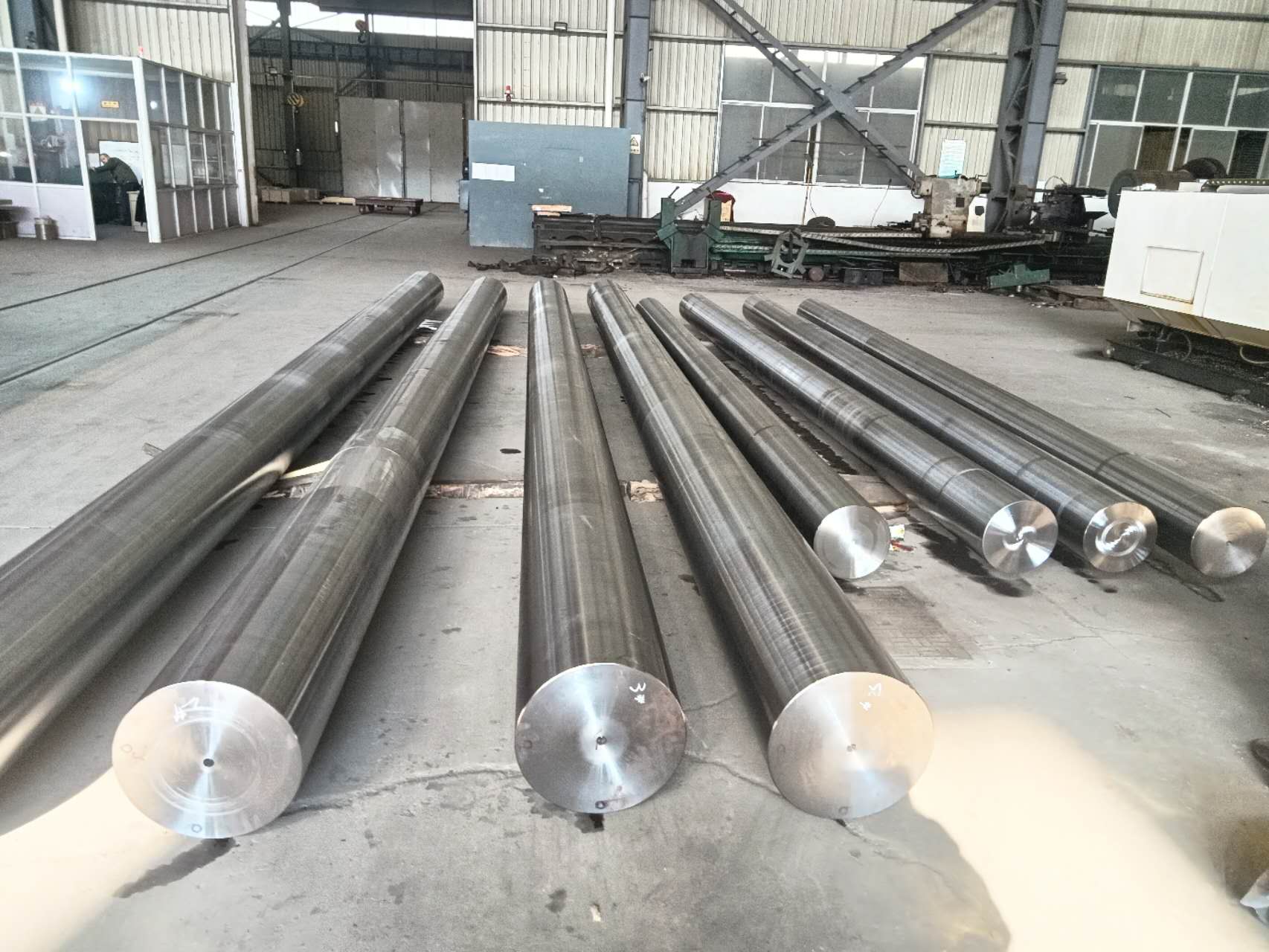
Forging stainless steel bars is a highly specialized process that improves the material’s mechanical properties by refining its internal structure. The steps involved in forging a stainless steel bar typically include:
The first step in the forging process is to heat the stainless steel to a high temperature, typically between 1,100°C and 1,250°C (2,012°F to 2,282°F). This heat makes the steel more malleable and easier to work with. It’s important to carefully control the temperature, as heating it too much or too little can affect the final quality of the forging bar.
Once the stainless steel has reached the desired temperature, it is shaped into the required form using a hammer, press, or die. The compressive force applied during the forging process ensures that the grain structure of the stainless steel is aligned, which improves its strength, toughness, and fatigue resistance.
After shaping, the forged stainless steel bar is allowed to cool. This cooling process is carefully controlled to ensure that the material retains its desired properties. Rapid cooling can cause brittleness, while slow cooling may reduce the material’s strength. The cooling process is critical in ensuring that the final product meets the required specifications.
Once the stainless steel forging bar has cooled, it may undergo additional finishing processes such as machining, polishing, or coating. This ensures that the bar is the correct size, shape, and surface finish to meet the specific needs of the application.
When selecting a stainless steel forging bar for your application, it is important to consider several factors to ensure that the material will meet your performance requirements. These factors include:
If your application demands high strength, such as in aerospace, automotive, or heavy machinery applications, you may want to opt for martensitic or duplex stainless steel forging bars. These materials offer higher tensile strength and resistance to mechanical stress than other stainless steel grades.
For applications exposed to corrosive environments, such as marine, chemical, or food processing industries, austenitic or duplex stainless steel is the best choice. Austenitic stainless steels like 304 and 316 offer excellent resistance to corrosion in a variety of environments, while duplex stainless steel provides enhanced resistance to pitting and crevice corrosion.
If your application involves exposure to high temperatures, such as in heat exchangers or furnace components, it is important to choose a stainless steel forging bar with good heat resistance. Austenitic and duplex stainless steels are suitable for high-temperature applications due to their ability to maintain their strength at elevated temperatures.
In applications where the component will experience repetitive loads or impacts, such as in structural or automotive components, martensitic stainless steel and duplex stainless steel are often preferred due to their excellent fatigue and impact resistance.
While stainless steel forging bars made from austenitic and duplex grades offer exceptional properties, they can be more expensive than ferritic grades. If cost is a significant factor, ferritic stainless steel may be a more economical option, particularly in non-corrosive or low-strength applications.
Stainless steel forging bars are used across a wide range of industries, each requiring specific properties from their materials. Here are some common applications:
In the aerospace industry, stainless steel forging bars are used to manufacture critical components like turbine blades, landing gear, and engine parts. These parts need to withstand high mechanical stresses, extreme temperatures, and corrosive environments.
Stainless steel forging bars are used to make engine components, suspension parts, and transmission gears in the automotive industry. The high strength and durability of forged stainless steel help to ensure the reliability and performance of these essential components.
The oil and gas industry relies on stainless steel forging bars for the production of valves, pipe fittings, and pressure vessels. These components must resist corrosion from harsh chemicals, high temperatures, and high-pressure conditions, making stainless steel an ideal material.
In the medical field, stainless steel forging bars are used to manufacture surgical instruments, implants, and medical equipment. Stainless steel’s strength, biocompatibility, and corrosion resistance make it perfect for use in critical medical applications.
Choosing the right stainless steel forging bar for your application is essential to ensuring optimal performance, durability, and cost-effectiveness. By understanding the different types of stainless steel and their unique properties, you can select the material that best suits your needs. Whether you require high strength, corrosion resistance, or temperature durability, stainless steel forging bars provide the ideal solution for a wide range of industries.
For those looking for high-quality stainless steel forging bars for critical applications, working with an experienced supplier is crucial. EHI is a trusted name in stainless steel forging, offering a wide range of products that meet the highest standards of quality and performance. By selecting the right material and supplier, you can ensure the reliability and longevity of your components, contributing to the success of your business and projects.


