


Views: 100 Author: EHI Technical Team Publish Time: 2026-08-11 Origin: Site


Mould steel is a special type of steel used for manufacturing moulds such as cold stamping dies, hot forging dies and die-casting dies. Moulds serve as key processing tools and raw materials for machinery manufacturing, industrial production, electrical-electronic industries and component fabrication.
Given the wide-ranging applications of moulds and the vastly different working conditions for various moulds, a broad spectrum of materials can be adopted for mould production. Among mould materials, mould steel enjoys the most extensive application. According to service purposes, mould steel is generally classified into three major categories: cold-work mould steel, hot-work mould steel and plastic mould steel.
Cold work mould steel is mainly used to fabricate moulds for compressing and forming workpieces under cold conditions, including cold blanking dies, cold stamping dies, cold deep-drawing dies, coining dies, cold extrusion dies, thread-forming dies and powder compaction dies. There is a wide range of cold work mould steels, with common grades such as Cr12, Cr12MoV, Cr12Mo1V1, SKD11 and D2. As vacuum-degassed and refined steel, cold work mould steel features high internal purity and good machinability with significantly improved cutting performance. It possesses excellent hardenability; air-cooling hardening hardly causes quenching cracking. Boasting outstanding wear resistance and favourable toughness, it can be used for blanking dies for stainless steel and high-hardness materials.

Hot work mould steel is primarily applied to produce moulds for pressure processing of workpieces at high temperatures, such as hot forging dies, hot extrusion dies, die-casting dies and hot upset-forging dies. Common grades of hot work mould steel include H11, DIN 1.2343, SKD6, H12, DIN 1.2605, SKD62, H13, DIN 1.2344, SKD61, 5CrNiMo, DIN 1.2713, SKT4, 5CrMnMo and DIN 1.2311.

Plastic mould steel covers multiple grades owing to numerous plastic varieties, including carbon structural steel, carburizing plastic mould steel, pre-hardened plastic mould steel, age-hardening plastic mould steel, corrosion-resistant plastic mould steel, free-cutting plastic mould steel, full-hardened plastic mould steel, maraging steel and mirror-polishable plastic mould steel. Typical grades are 718, 718H, P20, P20+Ni, 3Cr2Mo and 3Cr2NiMo.
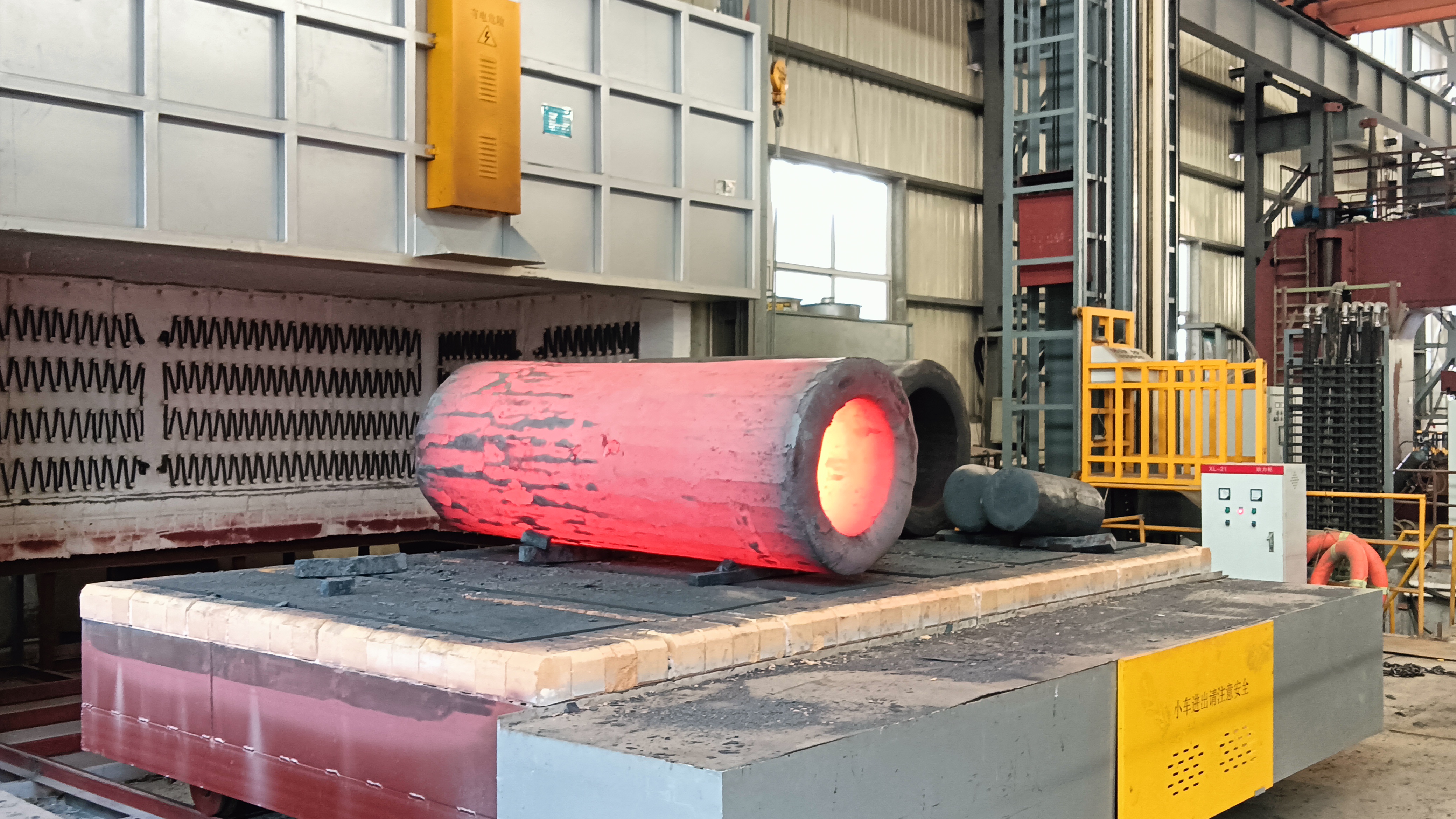
Hardness is a major technical indicator for mould steel. To retain stable shape and dimensions under high-stress service conditions, a mould must have sufficiently high hardness. Cold work mould steel generally maintains a hardness of approximately HRC60 at room temperature. For hot work mould steel, hardness is normally required to fall within HRC40-55 depending on working conditions.
Moulds are subjected to impact loads during operation. To mitigate failures such as fracture and chipping in service, mould steel is required to have adequate toughness. The toughness of mould steel is greatly affected by factors including chemical composition, grain size, purity, quantity, morphology, size and distribution of carbides and inclusions, as well as heat-treatment procedures and resultant metallographic structures.
In service, hot work mould steel is exposed not only to cyclic load variations but also to high temperatures and cyclic rapid heating-and-cooling effects. Therefore, thermomechanical fatigue fracture performance should be emphasized when evaluating fracture resistance of hot work mould steel. Thermomechanical fatigue consists of thermal fatigue performance, mechanical fatigue crack growth rate and fracture toughness.
Wear resistance of mould material is often the decisive factor governing mould service life. Subjected to considerable compressive stress and friction in operation, moulds are expected to sustain dimensional accuracy under severe friction. Mould wear falls mainly into three categories: mechanical wear, oxidative wear and fusion wear.
Seizure resistance refers to resistance against “cold welding”. Under dry-friction conditions, tool steel is run in constant-speed paired friction against seizure-prone materials (e.g. austenitic steel), while load is increased gradually at a fixed rate accompanied by rising torque. The corresponding load is defined as the “critical seizure load”. A higher critical seizure load indicates stronger seizure resistance.
Mold steels are mainly divided into three categories by application, each with distinct core‑use focuses. First, cold‑work mold steel, primarily used for manufacturing molds for forming workpieces under cold conditions, such as molds for cold blanking, cold stamping, cold deep drawing, cold extrusion, thread pressing and powder compaction. Second, hot‑work mold steel, mainly applied to molds for pressure processing of workpieces at high temperatures, including hot forging, hot extrusion, die‑casting and hot upset‑forging molds. Third, plastic‑molding mold steel, specially designed for molding dies of various plastic products to meet the processing requirements of different plastics.
Each of the three major mold‑steel categories has representative mainstream grades. Common cold‑work mold steel grades include Cr12, Cr12MoV, Cr12Mo1V1, SKD11 and D2. Widely‑used hot‑work mold steel grades cover H11, H12, H13, SKD6, SKD61, 5CrNiMo and 5CrMnMo. Typical plastic mold steel grades are 718, 718H, P20, P20+Ni, 3Cr2Mo and 3Cr2NiMo. Different grades match different processing‑precision and working‑condition requirements.


