


Views: 0 Author: Site Editor Publish Time: 2026-02-03 Origin: Site


Die forging and press forging are two fundamental metalworking processes used to shape metal into precise forms by applying high pressure. Die forging involves the use of a mold (die) that shapes the metal under high pressure, typically producing parts with superior strength, toughness, and dimensional accuracy. In contrast, press forging uses a continuous, slower application of pressure, which is generally more suitable for larger parts or less precision-demanding applications. Choosing the right forging method is crucial for ensuring that parts meet the specific needs of the application, whether it’s precision, strength, or cost-effectiveness. Die steel forging, in particular, is essential for producing high-performance parts like stamping dies and automotive components, where high mechanical properties, durability, and reliability are required under extreme conditions.
Die Forging and Press Forging are two distinct metalworking processes that apply pressure to shape metal, but they differ significantly in their methods and outcomes.
Pressure Application: In die forging, high pressure is applied quickly to the metal using a mold (die), resulting in precise shaping and enhanced mechanical properties. This process is ideal for parts that require complex shapes and tight tolerances.
Precision: Die forging provides high precision, making it suitable for small, complex parts where dimensional accuracy is critical.
Production Rate: It is best suited for high-volume, high-precision production, where the same part is produced multiple times with consistency.
Tooling: Die forging uses complex dies with precise designs, which require higher initial investment but offer long-term production efficiency.
Material Utilization: Due to its precise shaping, die forging is more material-efficient, as it results in minimal waste compared to other methods.
Pressure Application: In press forging, a slow, continuous pressure is applied by a press machine to deform the metal. This method is often used for larger parts that do not require as much precision.
Precision: Press forging offers lower precision compared to die forging, making it more suitable for larger, less complex parts.
Production Rate: This method is more suitable for lower-volume production and larger parts, where exact dimensions are less critical.
Tooling: Press forging uses simpler tooling, which is less expensive than the intricate dies used in die forging. However, it results in slower deformation.
Material Utilization: Due to the slower application of pressure, press forging can result in higher material waste compared to die forging, as more metal may be needed to achieve the desired shape.
Aspect | Die Forging | Press Forging |
Pressure Application | High pressure applied quickly | Slow, continuous pressure |
Precision | High precision, ideal for complex, small parts | Lower precision, better for larger parts |
Production Rate | Suitable for high-volume, high-precision production | More suitable for lower volume, larger parts |
Tooling | Uses complex dies, precise design | Uses simpler tooling, slower deformation |
Material Utilization | More material-efficient due to precise shaping | Higher material waste due to slow pressure |
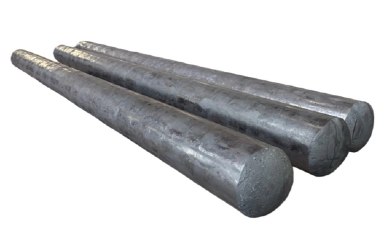
Both die forging and press forging have distinct advantages and disadvantages depending on the specific requirements of the part being produced.
Advantages:
Higher Precision: Die forging offers superior dimensional accuracy, making it ideal for complex, small parts that require tight tolerances.
Increased Strength and Toughness: The high-pressure process aligns the metal's grain structure, resulting in parts with superior strength, toughness, and resilience compared to cast or press-forged parts.
Better Mechanical Properties: The compressed grain structure enhances the part's impact resistance, wear resistance, and fatigue strength, making it ideal for high-stress applications such as automotive components and aerospace parts.
Disadvantages:
Complex Tooling: Die forging requires the creation of complex dies, which can be costly and time-consuming to design and produce, leading to higher initial setup costs.
Higher Upfront Investment: Due to the need for precise and intricate tooling, the initial investment in equipment and tooling for die forging is often higher than for other methods like press forging.
Advantages:
Better for Larger Parts: Press forging is more suited for producing larger, simpler parts that do not require the high precision that die forging offers.
Lower Tooling Costs: The tooling required for press forging is generally simpler and less expensive, making it more cost-effective for producing larger parts.
Faster Production of Large Parts: Press forging can handle larger parts more efficiently with less complex tooling, making it suitable for lower-volume production of basic components.
Disadvantages:
Lower Precision: Press forging is less precise than die forging, making it less suitable for parts that require tight tolerances or complex shapes.
Less Material Efficiency: Because the process is slower, press forging can result in higher material waste compared to die forging, where the precision of the die leads to less excess material.
The cost of producing parts through die forging and press forging differs significantly due to variations in tooling complexity, production volume, material utilization, and post-processing requirements. Understanding these cost-related factors is essential for selecting the most suitable forging method based on budget constraints, part size, and production scale.
Advantages:
High-Volume Production Efficiency
Although die forging requires a high initial investment in tooling and setup, it becomes highly cost-effective for large production runs. The precise shaping provided by dies minimizes excess material and reduces the need for extensive secondary machining.
Lower Per-Part Cost in High Volumes
As production volume increases, the tooling cost is distributed across more parts, significantly reducing the cost per unit. This makes die forging an economical choice for mass production, especially for components requiring high strength and tight tolerances.
Disadvantages:
High Initial Investment
The need for complex dies, precision machining, and specialized equipment results in a substantial upfront cost. For low-volume or prototype production, these costs may outweigh the benefits, making die forging less attractive in such cases.
Advantages:
Lower Tooling Costs
Press forging uses simpler tooling compared to die forging, leading to lower initial setup costs. This makes it a more accessible option for manufacturers with limited budgets or for short production runs.
Suitable for Low-Volume or Large Parts
Press forging is often more economical for low-volume production or large components, where high precision is not the primary requirement and tooling costs must be kept low.
Disadvantages:
Higher Material Waste
Due to the slower and less controlled deformation, press forging may generate more material waste, increasing raw material consumption and post-forging machining costs.
Lower Precision and Additional Finishing Costs
Parts produced by press forging typically have lower dimensional accuracy, often requiring additional machining or finishing to meet final specifications. This can increase the total production cost, especially for parts with strict tolerance requirements.
Die forging provides superior precision compared to press forging. The high-pressure application in die forging forces the metal into a mold with minimal material waste, resulting in tight tolerances, dimensional accuracy, and superior mechanical properties. This makes it the preferred method for high-precision parts that require consistent shape and strength, such as aerospace components or automotive engine parts.
Die forging is typically more material-efficient than press forging because the precise control over metal flow reduces the amount of excess material required. The mold (die) shapes the metal with minimal waste, while press forging can result in higher material waste due to slower and less controlled pressure application. Additionally, die forging often eliminates the need for extensive secondary machining, further improving material utilization.
Press forging is more commonly used in industries where large, less complex parts are produced, such as in the construction, shipbuilding, or heavy machinery industries. It is ideal for parts that do not require high dimensional precision or are too large for the typical die forging process. Examples include structural components, tooling for large machinery, and components for industrial applications where speed and cost-effectiveness are more critical than tight tolerances.
Tooling complexity is a significant factor in choosing between die forging and press forging. Die forging requires complex dies that are expensive and time-consuming to design and manufacture. However, the precision of these dies ensures high-quality parts. In contrast, press forging uses simpler tooling, which results in lower initial costs and shorter lead times for production, but at the expense of dimensional accuracy. The choice between the two often depends on part complexity, production volume, and budget constraints. For low-volume production or larger parts, press forging might be more appropriate, while die forging is ideal for high-precision, high-performance applications.
In conclusion,die forging and press forging are both valuable manufacturing processes, but they differ significantly in terms of precision, tooling complexity, production efficiency, and cost considerations. Die forging is ideal for high-precision parts requiring tight tolerances and high strength, making it more cost-effective in high-volume production despite its higher initial tooling investment. On the other hand, press forging offers a lower-cost alternative for producing larger parts or low-volume runs, although it may result in higher material waste and additional finishing costs due to its lower precision. Ultimately, selecting the appropriate forging method depends on factors such as the specific part requirements, production scale, and budget constraints. Understanding these differences ensures that manufacturers can optimize both cost-effectiveness and part performance while meeting the demands of the application.


