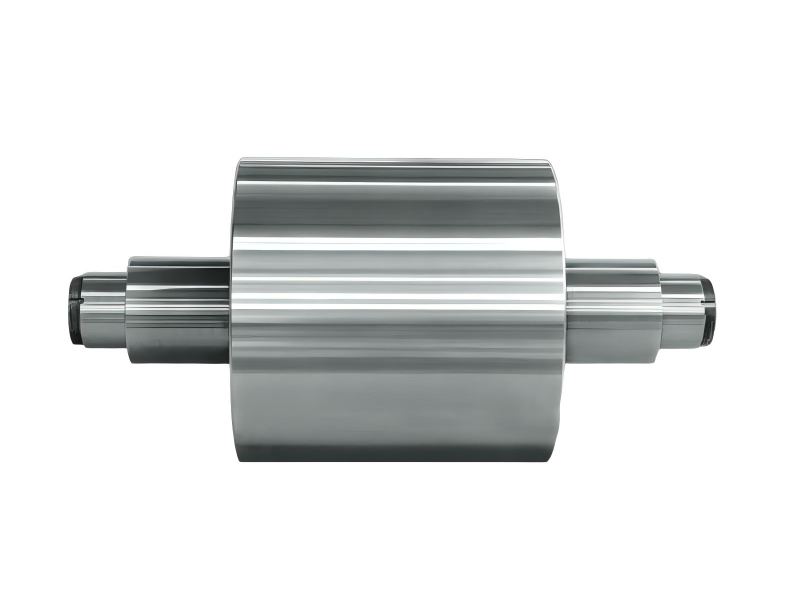
Forged steel backup rolls for power battery aluminum foil production are the core load-bearing components of aluminum foil cold rolling mills. They function to support work rolls, deliver high rigidity and dimensional accuracy, ensure uniform thickness and flat strip shape of aluminum foil , and meet the stringent requirements of power batteries for superior surface quality and high dimensional precision.
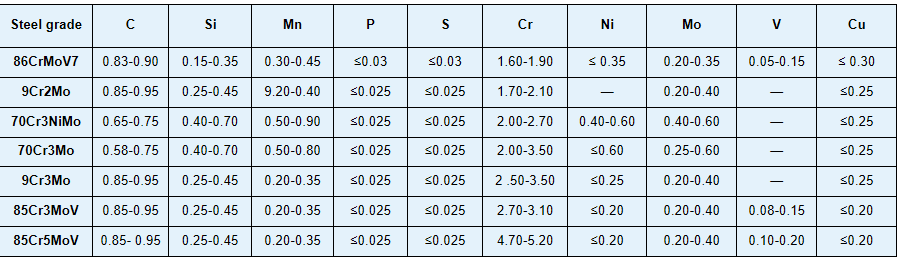
9Cr2Mo Chemical Composition
9Cr2Mo is a high-carbon alloy tool steel of the Cr2 series. Featuring high hardness, excellent wear resistance, deep hardenability and superior contact fatigue resistance, it serves as the dominant material for forged steel backup rolls in cold rolling lines of power battery aluminum foil, and is well suited to the high-speed, heavy-load and high-precision working conditions of aluminum foil rolling.
| 9Cr2Mo | C | Si | Mn | Cr | Mo | P/S |
| 0.85%-0.95% | 0.25%-0.45% | 0.20%-0.35% | 1.70%-2.1% | 0.20%-0.40% | ≤0.025% |
Other Common Materials
1.Forging
-
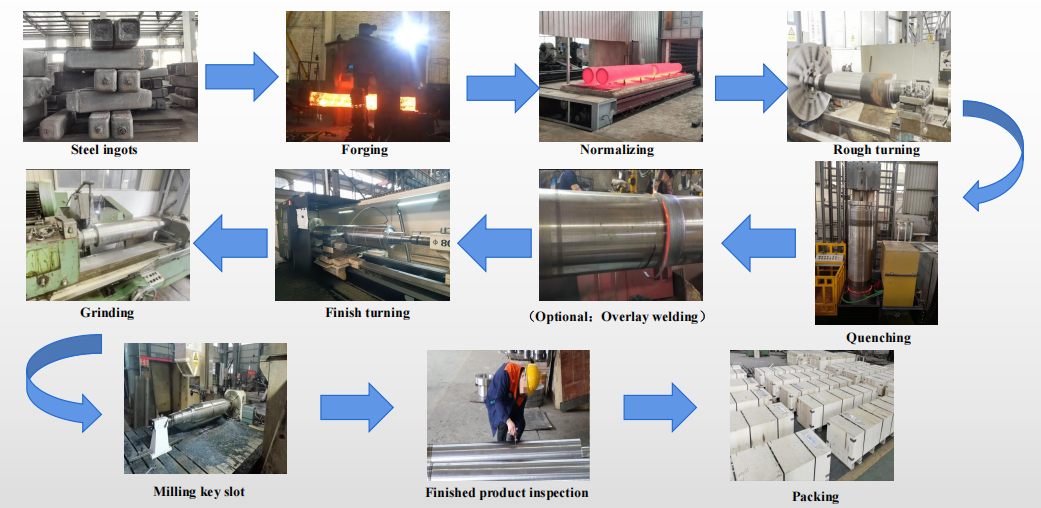
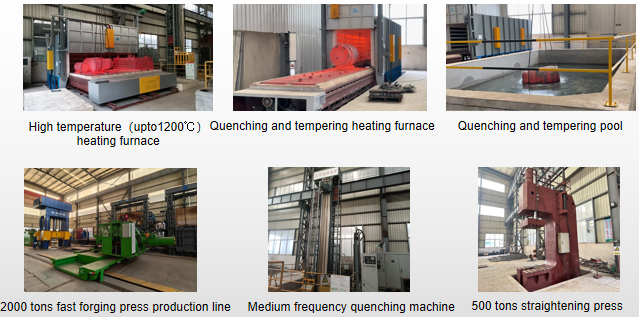
Steel ingot → open die forging, with a forging ratio ≥ 3. This process refines grains, eliminates network carbides, and achieves uniform and dense microstructure.
-
Final forging temperature: controlled at 800–850°C to prevent overheating and overburning.
2. Heat Treatment (Core Process)
-
Spheroidizing Annealing: Heating at 790–810°C → isothermal holding at 650–670°C → air cooling below 500°C. Spheroidal pearlite is obtained to facilitate mechanical processing.
-
Quenching: Heating at 880–900°C → oil cooling or PAG quenching liquid cooling. The surface hardness of the roll body reaches HRC ≥ 64.
-
Tempering: Low-temperature tempering at 160–200°C to stabilize the microstructure, relieve internal stress, with finished hardness controlled at HRC 60–64.
3. Machining and Surface Treatment
-
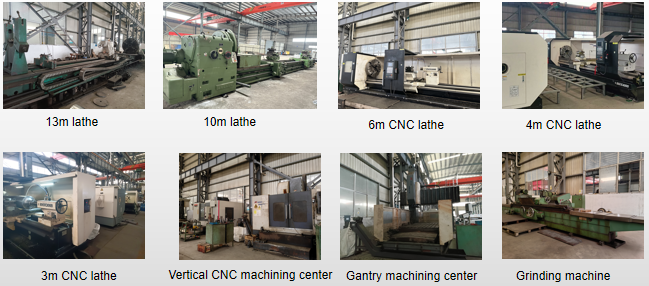
Rough turning → finish turning → rough grinding → precision grinding → superfinishing, to guarantee dimensional accuracy and surface quality.
-
Surface Chromium Plating / Ceramic Coating (Optional): Further enhance wear resistance and anti-aluminum adhesion performance.
Key Points for Application and Maintenance
1. Typical Application
-
Roll body diameter: φ400–φ800mm; Roll body length: 1000–2000mm.
-
Applicable mills: 4-high / 6-high high-speed cold rolling mills, including Sendzimir, Danieli and domestic high-end aluminum foil rolling mills.
2. Maintenance Recommendations
-
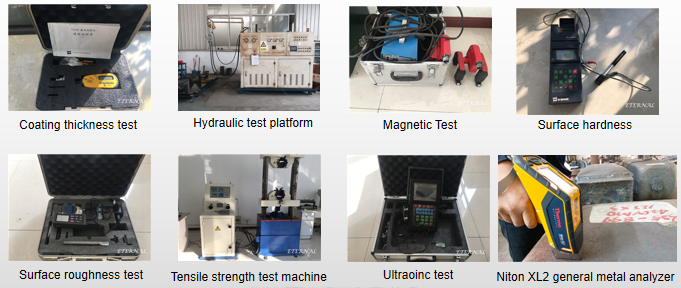
Regular inspection: Monitor hardness, roundness and surface cracks; perform timely grinding once indexes exceed the standard.
-
Grinding: The single grinding allowance shall be 0.3–0.5mm to retain sufficient hardened layer and avoid grinding into the soft zone.
-
Lubrication: Adopt special rolling oil and control oil film thickness to reduce aluminum adhesion and wear.
Core Characteristics
High Hardness & Wear Resistance: After quenching and tempering, the roll body achieves hardness of HRC 60–64 (HS 90–98), with an effective hardened layer of 6–15 mm. It effectively resists severe friction and wear during aluminum foil rolling.
Excellent Hardenability: Alloyed with chromium and molybdenum, large-section rolls (diameter ≤ 900 mm) can form a uniform hardened layer while maintaining sufficient core toughness.
Contact Fatigue Resistance: Composed of tempered sorbite and uniform carbides, it features a bending fatigue limit of approximately 850 MPa. It withstands alternating loads in high-speed rolling and is resistant to surface spalling and cracking.
Dimensional Stability: With a low thermal expansion coefficient (≈11.8×10⁻⁶/℃) and controllable retained austenite, the roll is less prone to deformation under long-term high-speed operation and maintains excellent precision retention.
Main Facilities
Forging&Heat Treatment Equipment
Machining Equipment
Inspection Equipment
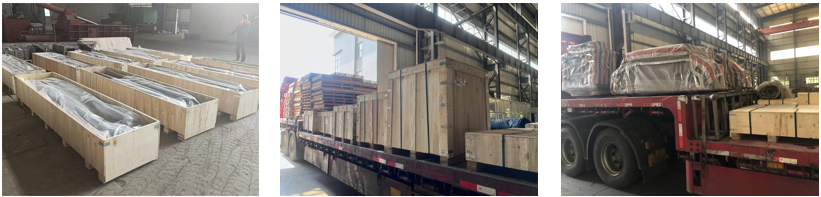
Package