|


| Quantity: | |
|---|---|
FORGE - Cold Roll Work Roll
ETERNAL
The work roll of a stainless steel rolling mill is the core spare part in steel rolling mills ,such as SMS, Primetals, Hitachi, Mino, Achenbach, Andritz, Sendzimir,etc, that directly contacts stainless steel and compresses and deforms the steel.
Forged 86CrMoV7 (1.2327) is adopted for cold working rolls used in stainless steel rolling. Its core advantage lies in the optimal balance achieved among five key properties: high hardness, wear resistance, high toughness, thermal cracking resistance and deep hardenability. In addition, the forging process further improves material density and homogeneity, and enhances fatigue resistance, making the rolls perfectly suited to the high pressure, high speed, high precision and anti-contamination requirements of stainless steel cold rolling.
Stainless steel rolling involves high rolling force, leading to rapid wear on roll surfaces. Through high carbon content (approximately 0.85%) and alloying with chromium, molybdenum and vanadium, 86CrMoV7 can reach a hardness of 58–62 HRC after heat treatment. Its wear resistance is about 30% higher than that of conventional 9Cr2Mo steel. This enables the work rolls to maintain surface precision during long-term rolling, and guarantees the dimensional accuracy and surface quality of stainless steel sheets and strips.
| C | Si | Mn | Cr | Mo | V | P/S |
| 0.83-0.9% | 0.15-0.35% | 0.2-0.35% | 1.6-1.9% | 0.2-0.35% | 0.05-0.15% | ≤0.03% |
Annealed Hardness: ≤229 HB
Q+T Hardness: HRC 58-62
Tensile Strength: 900–1050 MPa
Yield Strength: ≥750 MPa
Elongation (A): ≥13%
Reduction of Area (Z): ≥40%
Impact Toughness (KV₂): ≥30 J/cm²
86CrMoV7 can better resist surface microcracks and peeling caused by thermal shock under reasonable heat treatment processes. Mo+V refines grain size, resists tempering softening, and has stable hardness at high temperatures, making it less prone to thermal cracking.
86CrMoV7 has good hardenability, which can ensure uniform distribution of hardness from the surface of the roller to a certain depth. The depth of its hardened layer can reach about 15mm.
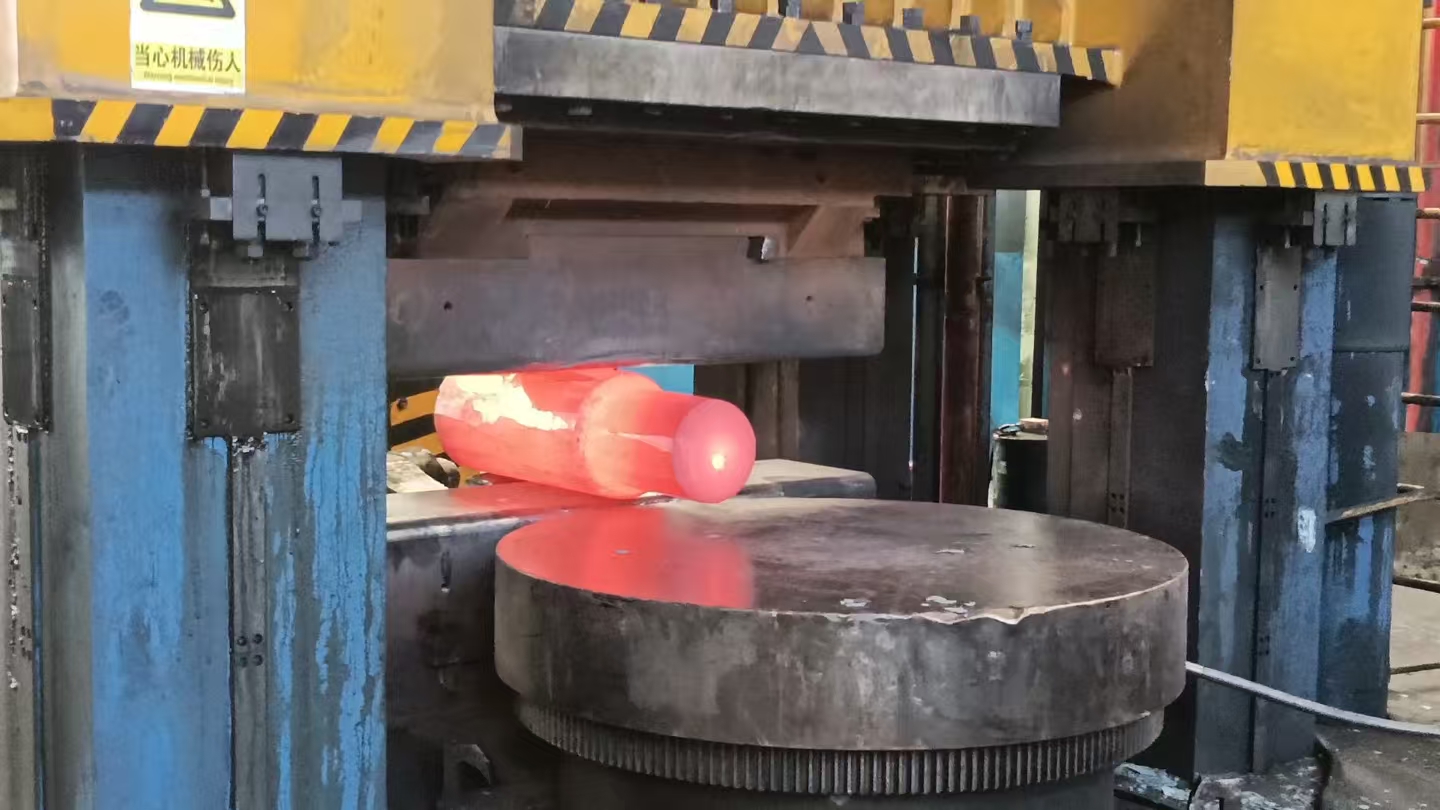
The reason for choosing "forging" rather than" casting" is that forging can eliminate casting defects such as porosity and shrinkage inside steel, and break down coarse carbides. Forged structures are denser and more uniform than those with a ratio of not less than 4:1, which significantly reduces the risk of sudden fracture of the rolling mill due to internal defects under high loads.
Parameter | Specification |
Brand | ETERNAL |
| Raw Material | ESR ingot |
| Material | Cr2 series steel,forged 86CrMoV7/1.2327 |
| Key Features | High hardness, high wear resistance, good hardenability, and fracture toughness |
Application | Metallurgical equipment |
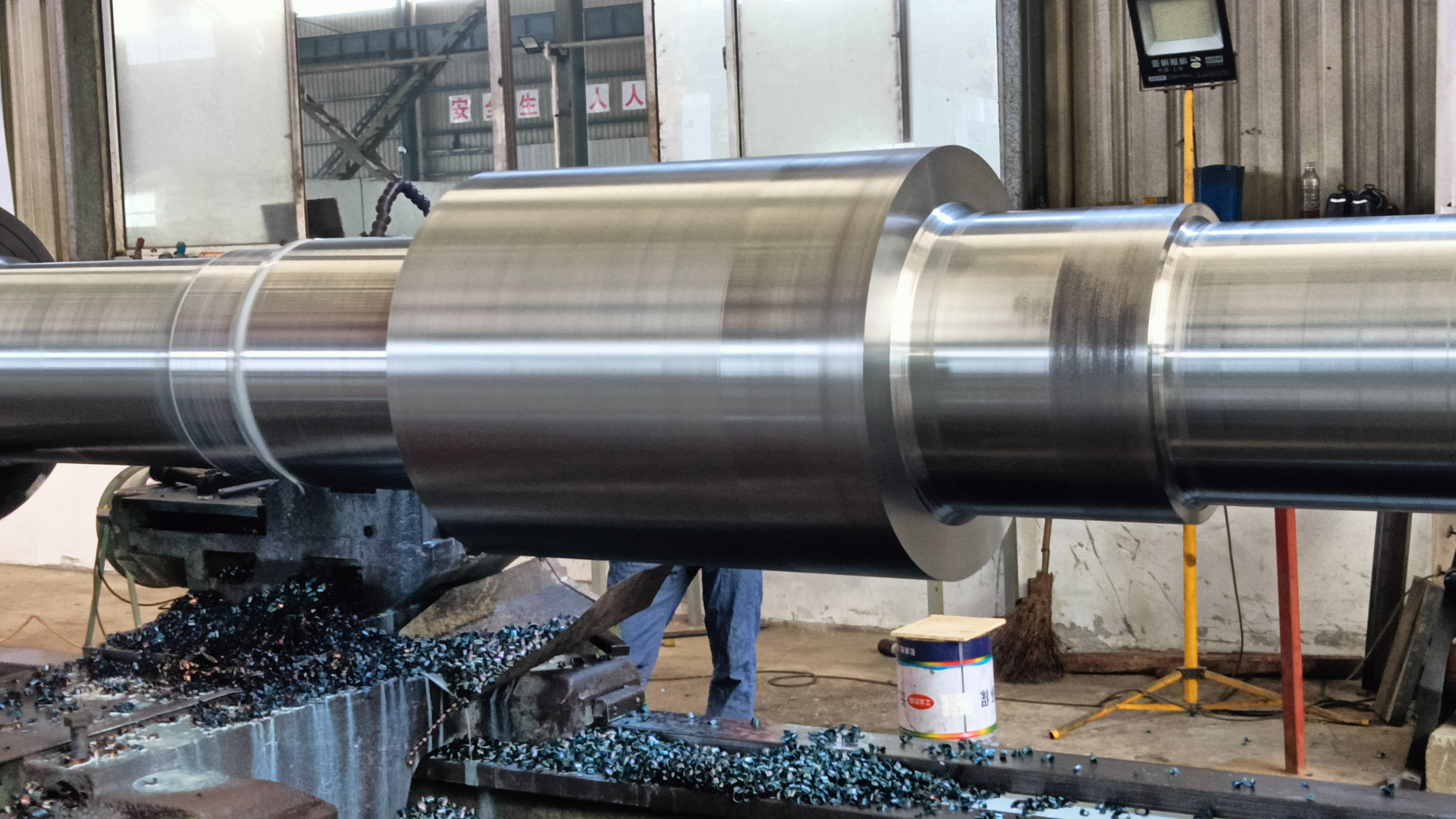
| Production Process | Electric slag remelting → forging (≥ 4:1) → heat treatment → lathe machining |
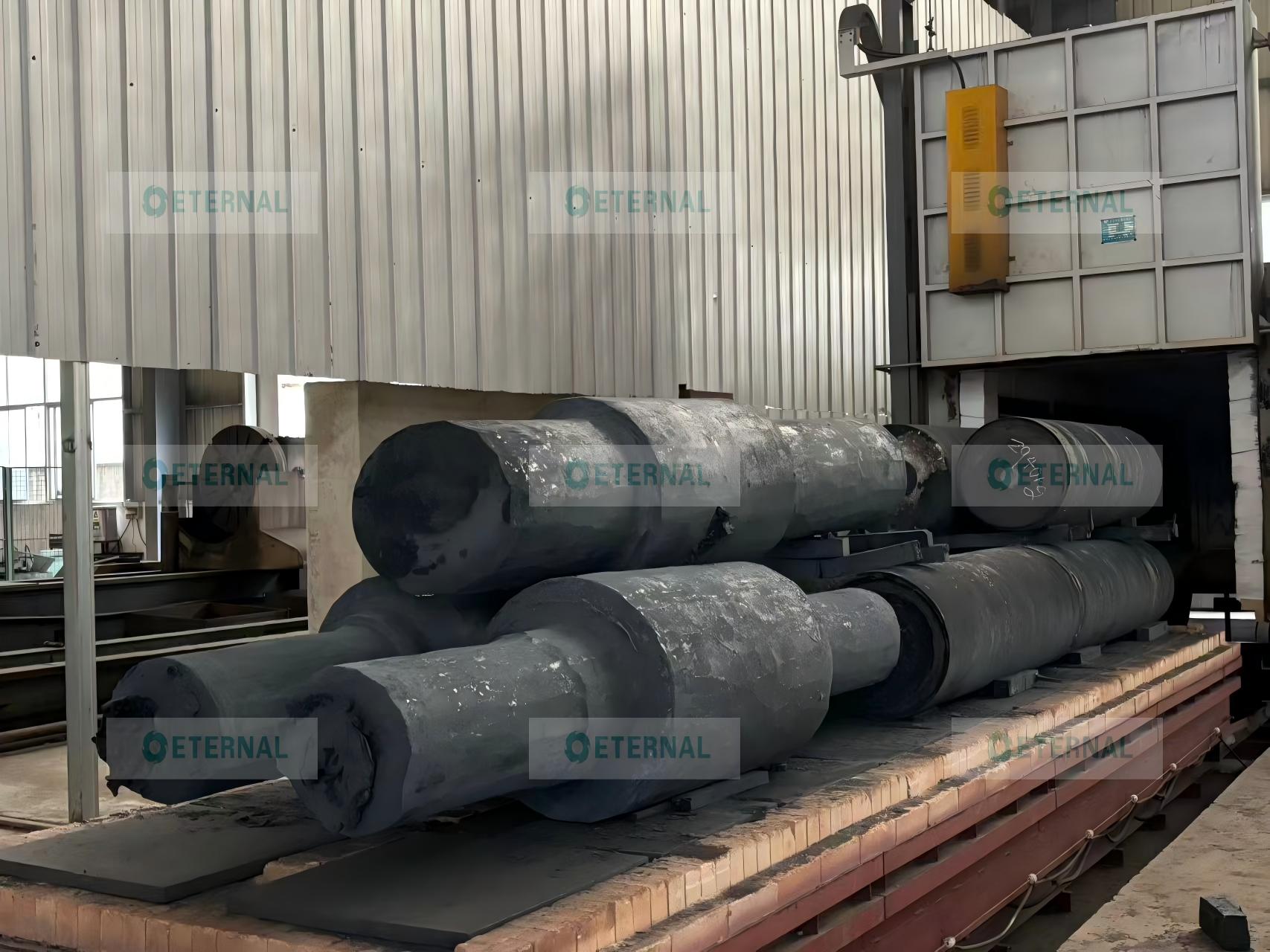
| Heat Treatment | Normalizing; spheroidizing annealing; Oil quenching+ high-temperature tempering |
| Surface Treatment | Double-frequency quenching; cryogenic treatment; low-temperature tempering |
| Core Hardness | HRC30–40 |
Surface Hardness | HRC 60-64 |
| Depth of Hardened Layer | ≥15mm |
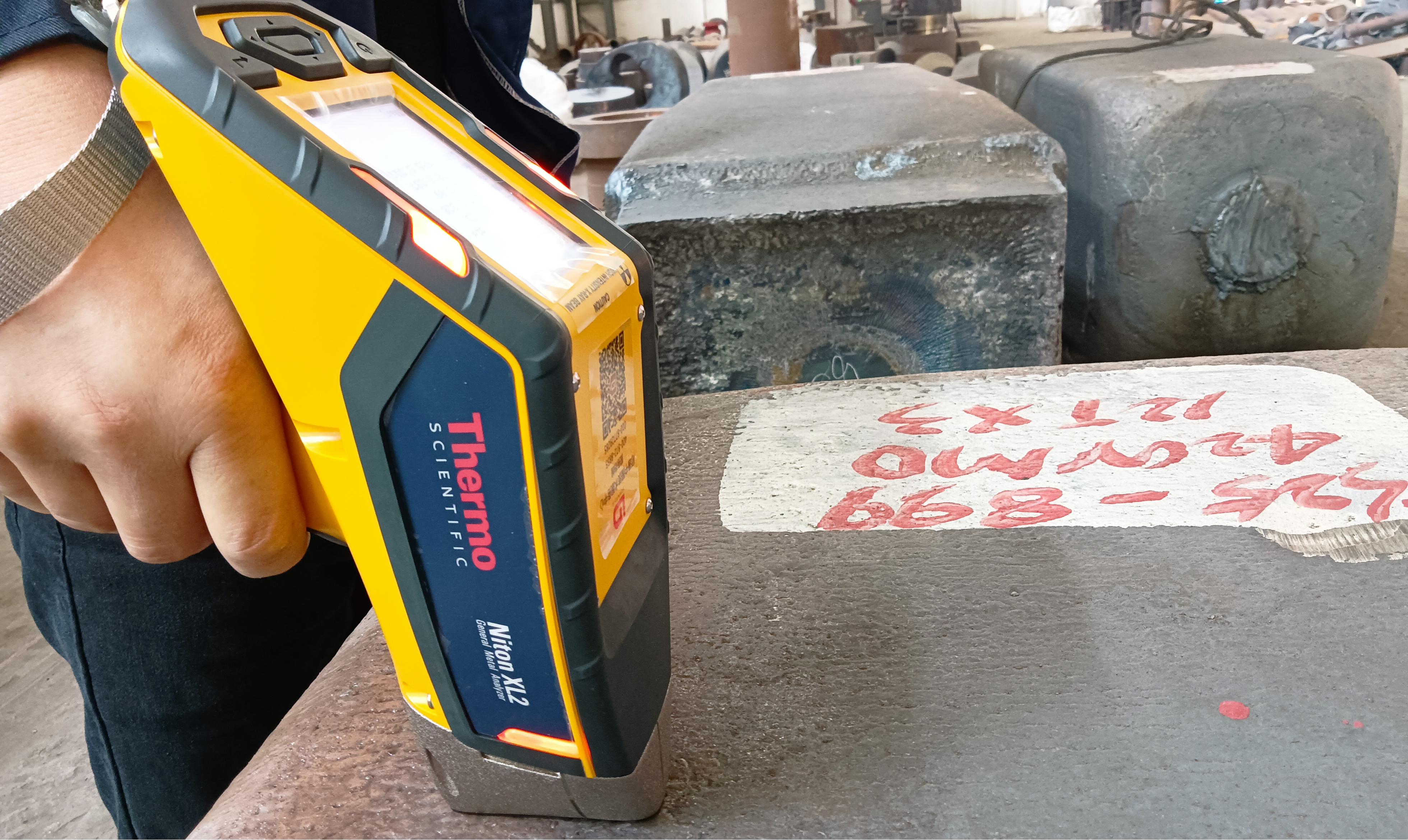
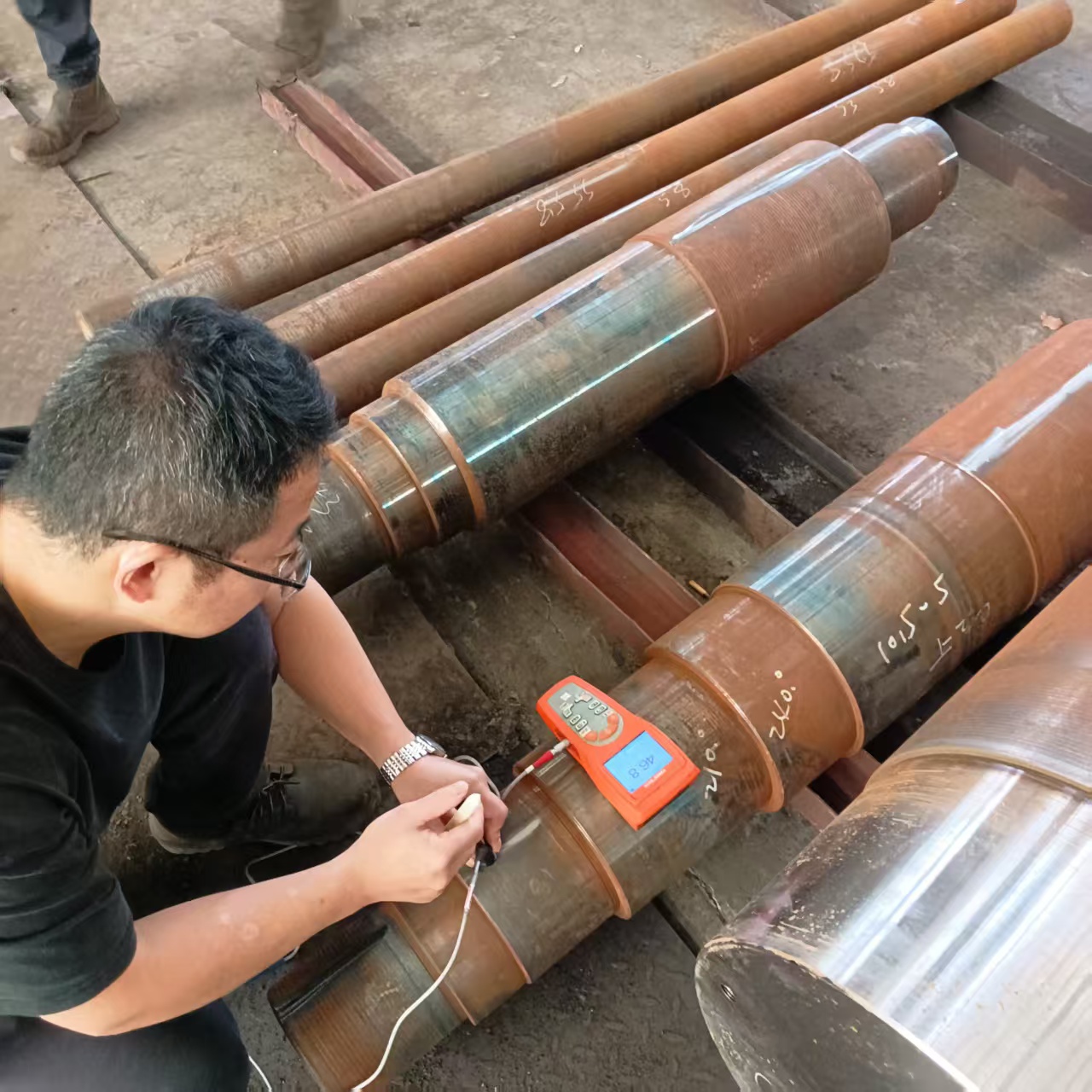
Inspection Test | 100% UT/MT according to EN 10228 series,ASTM A388M/A388、A966/A966M |
Smelting → electroslag remelting → forging → spheroidizing annealing → rough machining → quenching and tempering → semi precision → non-destructive testing → dual frequency quenching+cold treatment+low-temperature tempering → precision grinding → final inspection → packaging.
Cold rolled carbon steel strips and sheets
Cold rolled stainless steel plates and strips
Silicon steel and electrical steel
Galvanized and tin-coated steel sheets
Cold rolled non-ferrous metal coils such as copper and aluminum
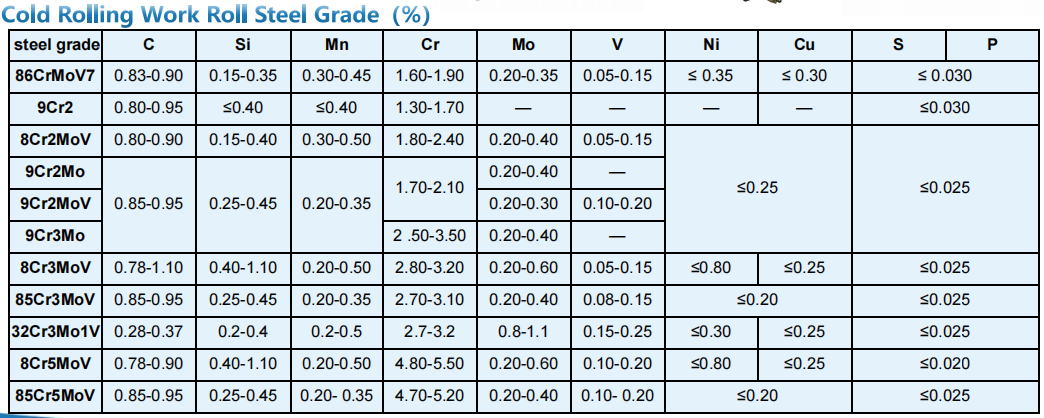
The mainstream forged materials used for cold rolling work rolls includes Cr2 series 9Cr2Mo, Cr3 series 9Cr3Mo/MC3/8Cr3MoV, Cr5 series 9Cr5Mo/MC5/8Cr5MoV,etc.