Views: 80 Author: Site Editor Publish Time: 2026-05-06 Origin: Site


Raise boring is a highly efficient method for vertical and inclined shaft construction in mining, hydropower, and underground infrastructure projects. In these operations, Raise Boring Tools have a direct impact on drilling stability, hole accuracy, service life, and overall project continuity. As shaft depth increases and rock conditions become more demanding, tool performance becomes more critical.
A complete raise boring system includes the raise boring cutter,raise boring drill pipe, reamer assembly, threaded connections, and other drill string components. If one component lacks strength, precision, or fatigue resistance, the entire shaft construction process can face wear, instability, or costly downtime. For this reason, selecting the right Raise Boring Tools is essential for reliable performance in underground engineering applications.
●Raise Boring Tools are essential for safe and efficient shaft construction in mining and underground engineering.
● Key components include the raise boring cutter, raise boring drill pipe, reamer, and drill string connections.
● Tool selection should match rock conditions, shaft depth, diameter, torque demand, and fatigue loading.
● Raise boring drill pipe quality strongly influences load transfer, drilling stability, and service life.
● Correct maintenance and inspection reduce downtime and improve performance consistency.
Raise Boring Tools are the main mechanical components used to drill pilot holes and enlarge them into finished shafts. They transfer torque, axial force, and cutting energy from the machine to the rock during shaft construction. In demanding underground engineering tools applications, these tools must remain reliable under vibration, abrasion, and repeated stress.
In shaft construction, Raise Boring Tools form the working connection between the machine and the rock mass. They determine pilot hole accuracy, reaming stability, and the final shaft geometry. If tool performance is weak, the operation may suffer from deviation, rough walls, excessive wear, or unplanned stoppage.
Many underground engineering tools are designed for drilling or excavation support, but Raise Boring Tools are built for long-duration torque transfer and heavy axial loading. A raise boring drill pipe must resist bending, torsion, and fatigue, while the raise boring cutter must perform under changing rock conditions. This makes tool quality and application matching especially important in shaft construction.
The stability of shaft construction depends on the consistency of Raise Boring Tools under load. If the drill string lacks rigidity or the connections become unstable, drilling alignment can gradually deteriorate. Even small deviations may affect pilot hole straightness and create problems during reaming.
The service life of Raise Boring Tools has a direct effect on project cost and scheduling. Premature wear, fatigue cracking, or connection damage can interrupt operations and force unscheduled replacement. In deep shaft construction, reliable tools reduce downtime and make campaign planning more predictable.
Project efficiency is not defined by cutting speed alone. It also depends on tool reliability, maintenance intervals, and the ability to complete shaft construction without repeated disruptions. Well-matched Raise Boring Tools support steadier drilling performance and lower long-term operating cost.
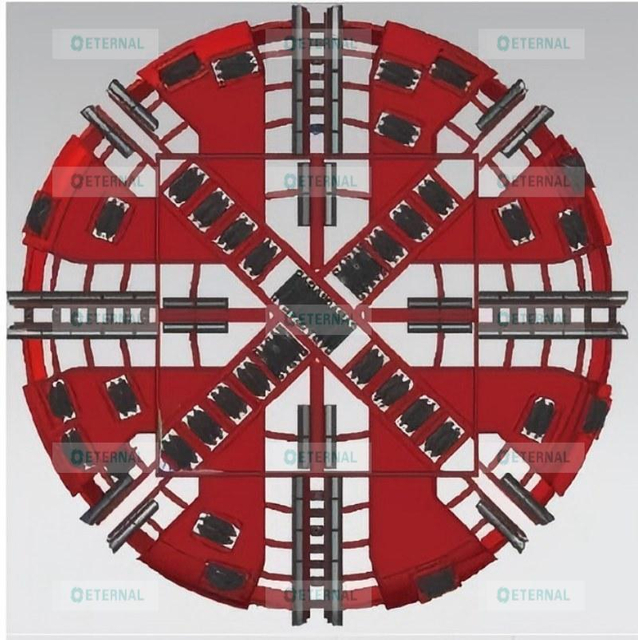
The raise boring cutter is responsible for breaking rock during shaft enlargement. Its design affects cutting efficiency, wear behavior, and load distribution across the reamer. In abrasive formations, cutter quality strongly influences the continuity of Raise Boring Tools performance.
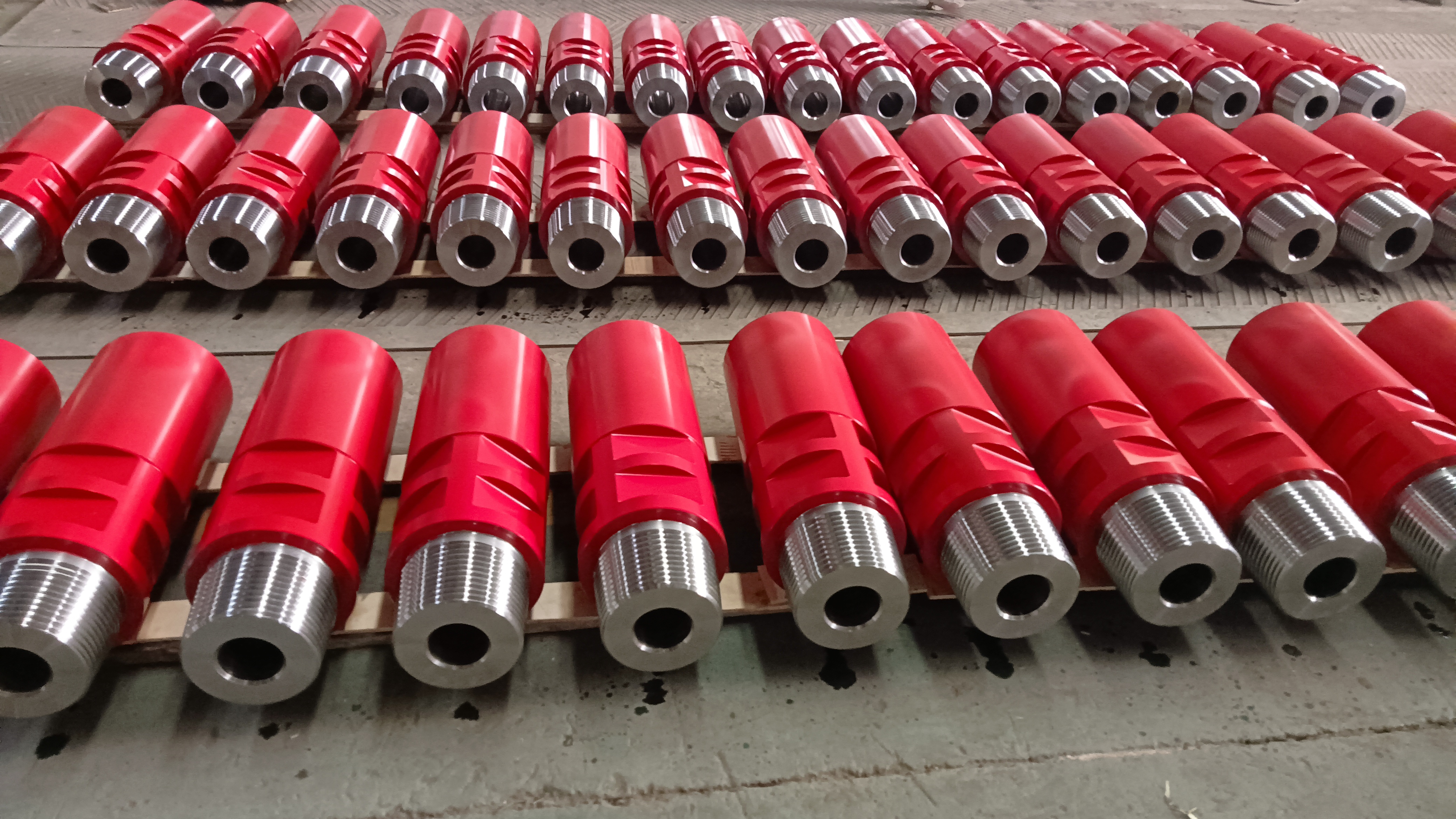
The raise boring drill pipe is one of the most critical structural components in Raise Boring Tools because it transmits torque and axial load through the drill string. It must combine strength, toughness, fatigue resistance, and dimensional precision. In shaft construction, poor drill pipe performance can compromise the entire boring sequence.
Reamers and cutter heads enlarge the pilot hole to the final shaft diameter. Their geometry and structural balance influence vibration, shaft roundness, and cutting stability. If the reamer system is poorly matched, the rest of the Raise Boring Tools assembly may experience irregular loading and faster wear.
Connections, joints, and stabilizing parts maintain continuity within Raise Boring Tools. These elements carry concentrated stress during repeated torque transfer and assembly cycles. If the connection system lacks dimensional accuracy or strength, shaft construction may be interrupted by loosening or fatigue damage.
The first stage of shaft construction is pilot hole drilling, where Raise Boring Tools create the path for later enlargement. At this stage, the raise boring drill pipe must transfer torque smoothly while maintaining alignment across the drill string. Stable early performance is important because pilot hole accuracy influences all later operations.
After the pilot hole is completed, the reaming stage enlarges it to the final diameter. During this phase, Raise Boring Tools experience higher cutting resistance and more complex load behavior. The raise boring cutter, reamer, and drill pipe must remain mechanically balanced to avoid vibration and uneven wear.
The key mechanical principle within Raise Boring Tools is coordinated load transfer. Every component must share force in a controlled and stable way, especially in deep shaft construction. If one part is weaker or less accurate than the others, stress concentration can increase across the whole tool system.
Rock hardness, abrasiveness, and structural variation are major factors when selecting Raise Boring Tools. Different formations create different wear patterns and load fluctuations during shaft construction. Tool selection should therefore reflect both average drilling conditions and peak mechanical demand.
Larger diameters and greater depths increase the load carried by Raise Boring Tools. Machine torque, pullback force, and operating limits must also match the drill string design. If the tool system is underspecified, fatigue and connection problems can develop even when early performance appears acceptable.
Material quality is fundamental to the long-term performance of Raise Boring Tools. A raise boring drill pipe must withstand cyclic torsion and axial loading without early cracking or thread damage. Forging quality and heat treatment consistency are essential for achieving the right balance of strength and toughness in shaft construction.
Cutter wear is one of the most common issues in Raise Boring Tools. Abrasive rock, unstable contact, or poor cutter matching can accelerate wear and reduce cutting consistency. Uneven wear may also increase vibration and place additional stress on the rest of the tool system.
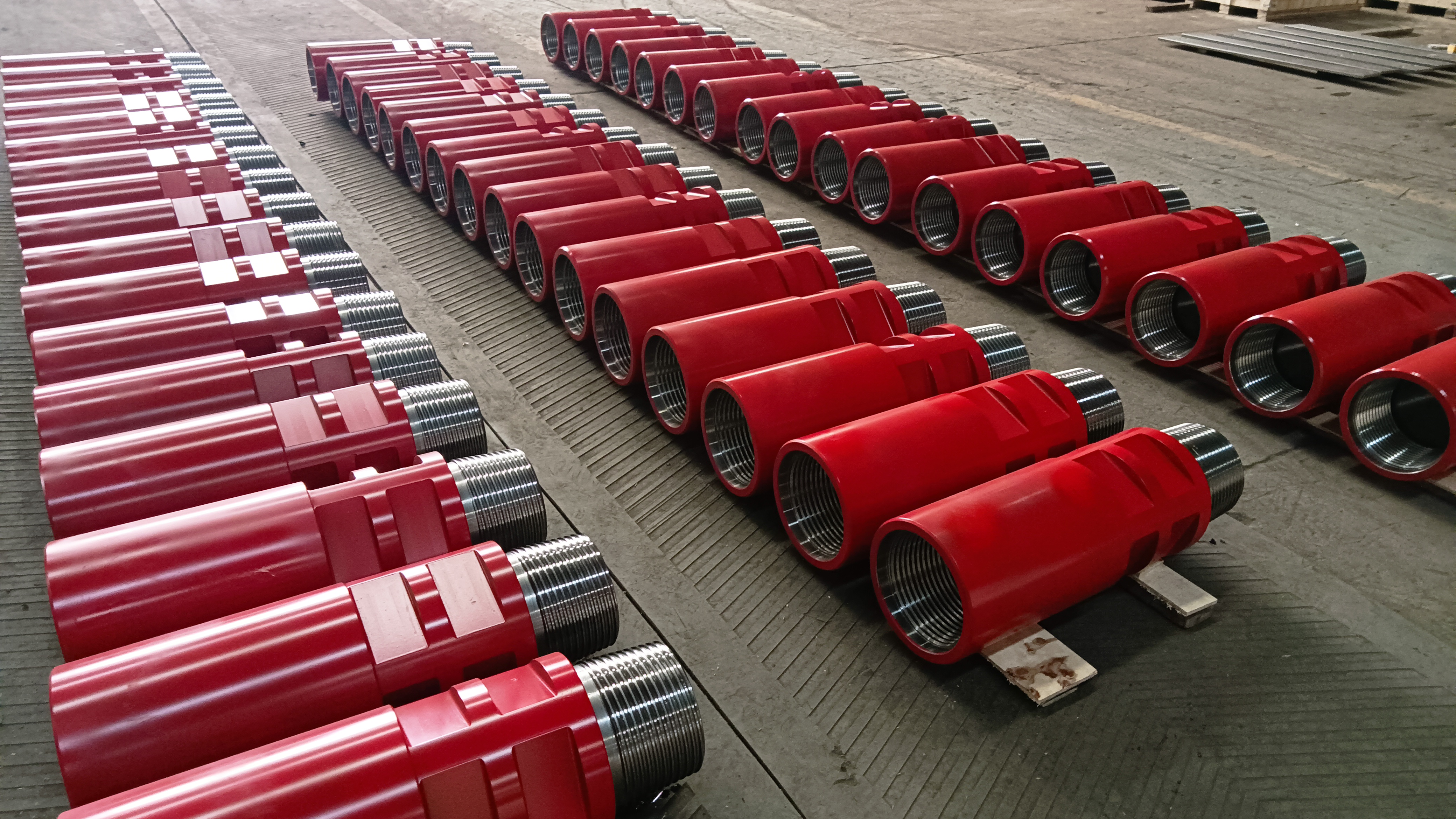
The raise boring drill pipe is exposed to repeated torsion, axial load, bending, and vibration. Fatigue damage often begins in thread roots, shoulder areas, or zones with poor stress distribution. In shaft construction, regular inspection of drill pipe and connections is necessary to prevent unexpected failure.
The service life of Raise Boring Tools is influenced not only by drilling conditions but also by handling and storage. Unprotected threads, surface impact, or contamination can create damage before the tool is even returned to service. A disciplined inspection routine should cover wear, straightness, thread condition, and visible defects.
Project Condition | Priority Tool Feature | Main Concern | Preferred Focus |
Deep shaft construction | High fatigue strength | Drill string stress | Raise boring drill pipe quality |
Abrasive rock formation | Strong wear resistance | Cutter life | Raise boring cutter durability |
Large shaft diameter | Stable load transfer | Torque fluctuation | Reamer and connection integrity |
Variable ground conditions | Balanced toughness | Vibration control | Full Raise Boring Tools matching |
Different shaft construction environments place different demands on Raise Boring Tools. Some projects require a stronger focus on drill pipe fatigue resistance, while others depend more on cutter wear life or reamer balance. A well-matched system is usually more effective than simply maximizing one specification.
Tool Category | Core Function | Key Property | Typical Risk if Underspecified |
Raise boring cutter | Rock fragmentation | Wear resistance | Rapid wear and unstable cutting |
Raise boring drill pipe | Torque and load transfer | Fatigue strength | Connection failure or pipe cracking |
Reamer assembly | Shaft enlargement | Structural balance | Vibration and poor shaft quality |
Threaded connections | Mechanical continuity | Dimensional accuracy | Loosening and local stress damage |
These component roles show why Raise Boring Tools must be evaluated as a complete mechanical system. Each part carries a different function, but a weakness in one area can affect the entire shaft construction process. Reliable underground engineering tools depend on this system-level coordination.
Raise Boring Tools are central to efficient shaft construction because they influence drilling stability, hole accuracy, wear behavior, and overall operating continuity. The raise boring cutter, raise boring drill pipe, reamer assembly, and connection system must work together under high torque, repeated axial loading, abrasion, and vibration. When Raise Boring Tools are selected with attention to rock conditions, shaft depth, material strength, forging quality, and maintenance discipline, they can deliver more stable performance and longer service life.
For projects that require dependable shaft construction components, Jiangyin Eternal Heavy Industry Co.,Ltd. offers clear advantages in heavy-duty forged products and specialized manufacturing capability. The company focuses on alloy steel applications, dimensional accuracy, and robust production quality for demanding underground engineering tools environments. Jiangyin Eternal Heavy Industry Co.,Ltd. also offers strength in process control, product reliability, and suitability for raise boring drill pipe applications where fatigue resistance and structural stability are critical.
Raise Boring Tools are used to drill pilot holes and enlarge them into finished shafts in mining and underground engineering projects. They transfer torque, axial force, and cutting force from the machine to the rock. In shaft construction, they are essential for maintaining drilling stability and shaft accuracy.
A raise boring drill pipe transmits torque and axial load through the drill string. It must remain stable under repeated loading and maintain secure threaded connections. In deep shaft construction, its fatigue resistance and dimensional accuracy are especially important.
The right raise boring cutter depends on rock hardness, abrasiveness, and shaft diameter. It should match the cutting conditions closely so that wear remains controlled and drilling stays stable. In Raise Boring Tools selection, cutter mismatch often leads to vibration and uneven performance.
Common risks include cutter wear, drill pipe fatigue, thread damage, loosening, and localized cracking. These problems often develop gradually under cyclic loading and abrasive conditions. Regular inspection and proper maintenance are the main controls in shaft construction operations.
Service life can be extended through correct tool selection, regular inspection, proper thread protection, and timely replacement of worn parts. Material quality, forging integrity, and heat treatment also affect long-term durability. In practice, maintenance discipline is as important as the initial specification of Raise Boring Tools.