


Views: 88 Author: Site Editor Publish Time: 2026-05-19 Origin: Site


The rapid growth of the new energy foil industry has raised the technical standard for rolling accuracy, surface quality, and process stability. In lithium battery foil production, extremely thin gauges and tight tolerances make the performance of Precision Cold Rolling Rolls a decisive factor in final foil quality. Whether the application involves a battery copper foil roll or an aluminum foil rolling roll, roll precision directly affects thickness uniformity, flatness, surface integrity, and production efficiency.
Unlike general strip rolling, foil production operates within a much narrower process window. Even slight changes in roll profile, roughness, or thermal stability can create visible defects or gauge variation across long coil lengths. For this reason, Precision Cold Rolling Rolls are not simply mechanical components but core process tools that support stable rolling and consistent output in the new energy foil industry.
● Precision Cold Rolling Rolls are essential for foil thickness control, flatness, and surface quality.
● In lithium battery foil production, roll precision directly influences yield and rolling stability.
● Battery copper foil roll and aluminum foil rolling roll applications require high wear resistance and profile accuracy.
● Material quality, heat treatment, and grinding precision determine roll life and performance.
● Proper maintenance and regrinding preserve the long-term value of Precision Cold Rolling Rolls.
Precision Cold Rolling Rolls are high-accuracy rolls used to reduce strip or foil thickness under controlled cold rolling conditions. In foil production, they must maintain precise geometry and smooth surface quality because even minor deviations can transfer directly to the material. Their function includes thickness reduction, shape control, and surface transfer during rolling.
Standard rolls may perform adequately in thicker strip applications, but foil rolling requires far tighter control over profile, hardness, and surface finish. A battery copper foil roll or aluminum foil rolling roll works under conditions where very small errors can create significant quality problems. That is why Precision Cold Rolling Rolls must meet stricter manufacturing and inspection standards.
In the new energy foil industry, ultra-thin products require stable rolling over long campaigns. If roll wear becomes uneven or the surface loses consistency, thickness variation and surface defects can increase quickly. Precision Cold Rolling Rolls are indispensable because they keep the process stable when tolerance margins are very narrow.
Foil used in lithium battery foil production must meet strict thickness requirements. Precision Cold Rolling Rolls maintain a stable roll gap and accurate contact profile, which is necessary for uniform reduction across the full width. Without this stability, gauge fluctuation can reduce product consistency and increase scrap.
Surface defects in foil can affect downstream coating, slitting, and assembly. A battery copper foil roll and an aluminum foil rolling roll both require a refined surface to avoid scratches, chatter marks, and repeating impressions. Precision Cold Rolling Rolls protect foil quality by preserving smooth and stable contact during production.
High-speed foil lines depend on stable rolling conditions to achieve efficient output. If roll precision is insufficient, vibration, thermal distortion, or uneven wear can lead to defects and downtime. Precision Cold Rolling Rolls improve campaign stability and support more predictable yield in the new energy foil industry.
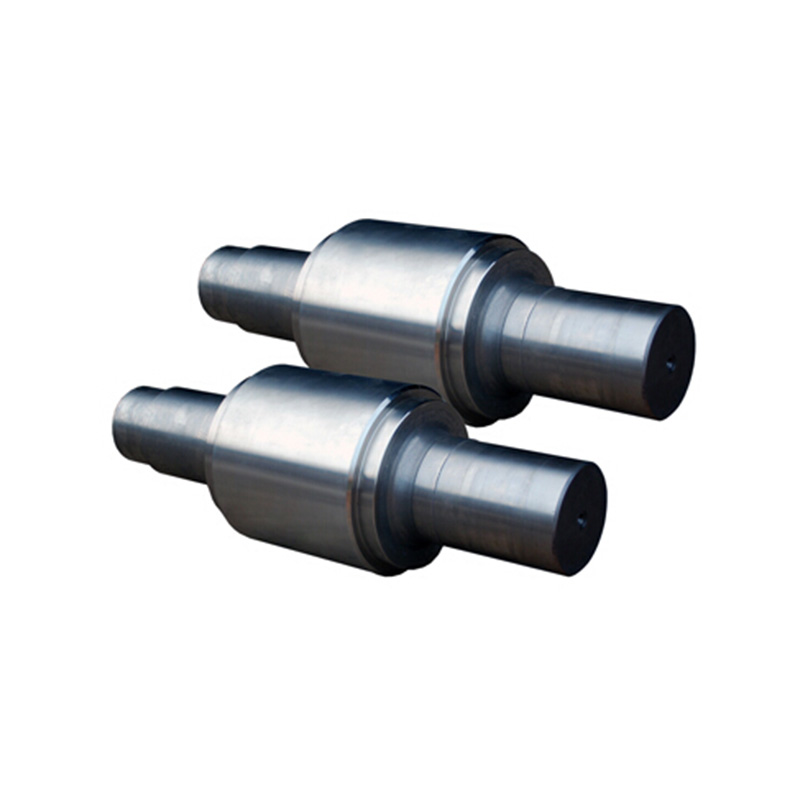
The barrel profile, diameter tolerance, and concentricity of Precision Cold Rolling Rolls directly affect foil thickness control. In foil rolling, even very small geometric deviations can create measurable gauge variation. Accuracy must also remain stable during service rather than only at the time of delivery.
Surface integrity includes roughness control, polishing quality, and freedom from grinding damage. In lithium battery foil production, any instability in the roll surface may leave marks on large volumes of foil. For this reason, Precision Cold Rolling Rolls require careful finishing and strict surface inspection.
A high-performing roll must resist wear while remaining tough enough to handle repeated stress. If hardness is too high without enough toughness, cracking or spalling may occur during service. Precision Cold Rolling Rolls need a balanced metallurgical design to support long campaigns and stable performance.
Material choice strongly affects the life and behavior of Precision Cold Rolling Rolls. Forged alloy steel is widely used because it offers good toughness, fatigue resistance, and internal structural reliability. For demanding battery copper foil roll and aluminum foil rolling roll applications, special wear-resistant grades may also be selected.
Heat treatment determines hardness, residual stress, and core toughness. Proper quenching and tempering allow Precision Cold Rolling Rolls to achieve the right balance between surface wear resistance and structural stability. If heat treatment is poorly controlled, the roll may wear too fast or fail prematurely.
Precision machining establishes the roll geometry, while grinding creates the final working surface. In the new energy foil industry, grinding quality is especially important because surface waviness or profile error can transfer directly to the foil. Precision Cold Rolling Rolls therefore require strict control during final finishing.
Material Type | Main Strengths | Main Limitations | Typical Use |
Forged Alloy Steel | High toughness, strong fatigue resistance | Requires precise heat treatment | Battery copper foil roll, support rolls |
Wear-Resistant Alloy Steel | Good surface life, stable wear behavior | Higher processing difficulty | Aluminum foil rolling roll applications |
Special Precision Grades | Optimized hardness and structural balance | Higher manufacturing cost | Lithium battery foil production |
The performance of Precision Cold Rolling Rolls is closely linked to the mechanical condition of the mill stand. Alignment accuracy, stand stiffness, and bearing condition all affect how the roll performs under load. In foil rolling, a stable roll stack is necessary for consistent thickness and flatness control.
Automatic gauge control and tension systems support foil rolling accuracy, but they depend on stable roll behavior. If Precision Cold Rolling Rolls wear unpredictably or lose profile, electronic controls become less effective. Lubrication and cooling are also important because they influence friction, heat, and surface preservation.
High-speed lines place greater stress on rolls through heat buildup, dynamic load, and longer campaigns. In these conditions, Precision Cold Rolling Rolls must maintain stable performance without excessive wear or vibration. Their role becomes even more important as the new energy foil industry pushes for higher output and tighter tolerances.
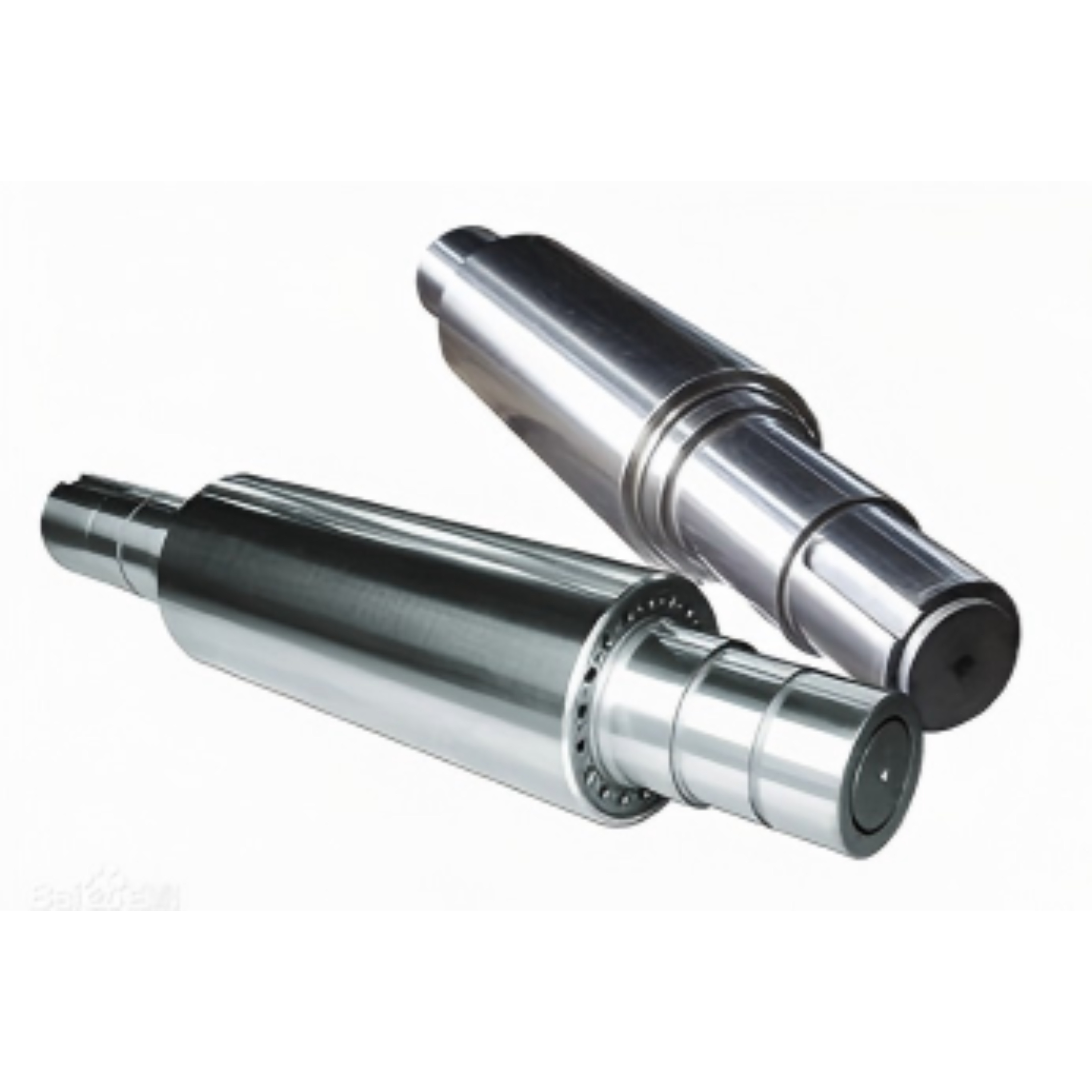
A battery copper foil roll must deliver precise thickness reduction while maintaining a smooth surface. Copper foil used in energy storage systems is highly sensitive to roll marks, profile variation, and instability during long runs. Precision Cold Rolling Rolls provide the consistency needed to reduce defects and protect foil quality.
An aluminum foil rolling roll requires accurate contact behavior and reliable surface finish retention. Thin aluminum foil is vulnerable to wrinkles, gauge variation, and subtle surface damage if the roll condition is unstable. That is why Precision Cold Rolling Rolls are essential for uniform aluminum foil production.
Lithium battery foil production combines ultra-thin rolling, strict surface expectations, and continuous operation. Under these conditions, Precision Cold Rolling Rolls determine how well the line maintains thickness, flatness, and yield over time. Their long-term stability is a major factor in overall production performance.
Performance Factor | Effect on Foil Quality | Risk if Poorly Controlled |
Profile accuracy | Stable thickness distribution | Gauge variation and flatness defects |
Surface finish | Smooth foil surface | Scratches, chatter marks, repeating defects |
Wear resistance | Longer campaign stability | Frequent regrinding and quality drift |
Fatigue resistance | Reliable long-term operation | Cracking, spalling, downtime |
Thermal stability | Stable rolling at high speed | Distortion and unstable contact |
The long-term performance of Precision Cold Rolling Rolls depends heavily on regrinding quality. Each regrinding cycle must restore the correct profile and surface condition without causing thermal damage. Regular inspection is also necessary to detect wear, fatigue, or geometry changes before they affect production.
Improper storage or handling can damage the surface or journal areas of Precision Cold Rolling Rolls. In foil rolling, even small handling damage may later result in rolling instability or surface marking. Controlled storage conditions and careful transport are therefore important parts of roll life management.
Future development of Precision Cold Rolling Rolls will focus on cleaner materials, more advanced heat treatment, and better digital monitoring. As the new energy foil industry demands thinner gauges and faster lines, rolls must offer greater stability and longer service life. Data-based maintenance will also become more important in optimizing roll usage and reducing unexpected failures.
The new energy foil industry requires exceptional rolling stability, fine surface control, and ultra-thin gauge accuracy, which is why Precision Cold Rolling Rolls are indispensable. Their performance directly affects thickness consistency, flatness, wear behavior, and long-term yield in battery copper foil roll, aluminum foil rolling roll, and lithium battery foil production applications. From material selection and heat treatment to grinding accuracy and regrinding control, every stage contributes to the reliability of Precision Cold Rolling Rolls in demanding foil lines.
Jiangyin Eternal Heavy Industry Co.,Ltd. offers clear advantages in forged material control, precision heat treatment, strict hardness consistency, advanced machining, accurate grinding, and customized roll design for different foil rolling conditions. The company also has strong capabilities in structural reliability, profile precision, wear resistance balance, and application-matched manufacturing for long service life. With solid experience in precision roll production and the ability to support demanding technical requirements, Jiangyin Eternal Heavy Industry Co.,Ltd. is well positioned to serve the evolving needs of the new energy foil industry.
Precision Cold Rolling Rolls are used to reduce strip and foil thickness while controlling flatness and surface quality. They are especially important in the new energy foil industry, where tolerance and surface requirements are very strict. Their applications include battery copper foil roll and aluminum foil rolling roll production lines.
Lithium battery foil production requires stable rolling under extremely tight thickness and surface tolerances. Precision Cold Rolling Rolls reduce the risk of gauge deviation, repeating surface defects, and unstable rolling behavior. Their precision supports consistent foil quality and higher process reliability.
Common materials include forged alloy steel, wear-resistant alloy steel, and special precision grades. The selection depends on the required balance of hardness, toughness, wear resistance, and fatigue strength. In many demanding foil applications, forged materials are preferred for their structural stability.
Service life can be extended through proper grinding, regular inspection, careful handling, and controlled storage. Heat treatment quality and material cleanliness also play important roles in long-term performance. In foil rolling, disciplined maintenance is essential for preserving roll accuracy and stability.


